
Types of Black Rocks – Identification and Natural Uses Guide
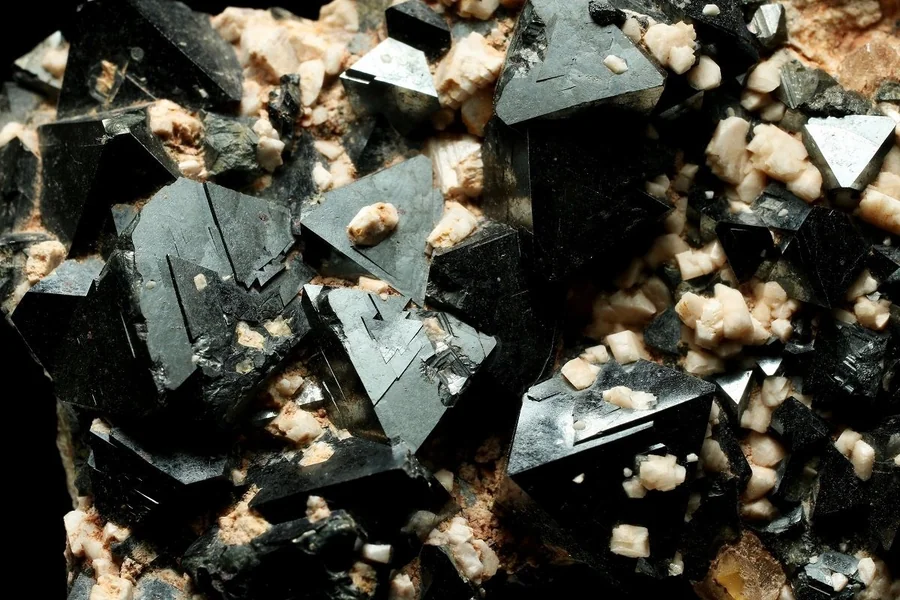
One of the most important materials that can be seen in nature is black rocks. They are usually dark due to minerals like basaltic compounds, iron or volcanic glass. These stones in geology tell a lot about the history of the earth, volcanic activities and the mineral make-up. Knowing the different types of black rocks also enable individuals to know the geological features, enjoy geological diversity, and even use the stones in landscaping, building, or aesthetic use.
Black rocks are volcanic basalt, glossy obsidian, and they are also found in numerous settings worldwide. Others form deep into the earth due to the volcanic eruption and others cool quickly due to the intense heat and pressure. All varieties possess their texture, hardness, and mineral structure, thereby making them unique.
This guide presents the main categories of black rocks, their formation, as well as their significance in science and in our daily lives.
What Are Black Rocks and How Do They Form
Black rocks are those stones that have deep charcoal to black as the dominant color. Their color is typically due to the dark minerals, e.g. pyroxene, magnetite, or carbon-rich minerals.
Majority of the black rocks are classified under one of three categories; igneous, sedimentary, and metamorphic. The igneous rocks are formed by the process of cooling of molten materials. Sedimentary rocks are formed when particles coalesce and compress. It is heat and pressure within the Earth that alters the form of the metamorphic rocks.
The iron rich minerals commonly make rocks dark colored. Quick solidification of the lava may also create smooth black textures including volcanic glass. Due to these processes, black rocks are usually found in volcanic areas or geologically active areas.
The stones are appreciated in terms of scientific study and due to their resistance and beauty in the field of architecture and design.
Igneous Types of Black Rocks
The black stones, which are best known, are mostly members of the family of igneous rocks. Such rocks form out of magma or lava that cool and solidify.
Basalt
One of the widely found volcanic rocks on Earth is basalt. It is created when the lava cools rapidly on the surface. Basalt is fine grained and is commonly black or dark gray. The application of it is broadly in the construction due to its strength and durability.
Obsidian
Obsidian is natural volcanic glass which is formed as a result of lava cooling down at a high rate. The rock has smooth and shiny surface because the crystals lack time to develop. Obsidian, in the past, was employed to prepare cutting tools as well as arrowheads because of its sharp edges.
Gabbro
The creation of Gabbro occurs under the surface of the earth as a result of the gradual cooling of magma. This gradual cooling forms large crystals of the mineral and these may be observed by the naked eye sometimes. Gabbro is also very thick and hard making it suitable as a construction block.
The igneous rocks tend to give a clear demonstration of the volcanic activity and assist geologists in comprehending the flow of magma under the crust of the earth.
Sedimentary Black Rocks
All the black rocks are not volcanic. Others are formed by stratified layers of organic substance or mineral grains which accumulate.
Coal
One of the best-known black sedimentary rocks is coal. It is an amalgamation of the old plant matter that has been buried and trampled over millions of years. In the history of modernity, coal has been a significant source of energy.
Black Shale
Black shale is formed when mud and clay accumulate in low oxygen conditions like in deep lakes or deep ocean. The dark color of the rock is produced by organic material contained in the layers.
Bituminous Limestone
Certain types of limestone have organic contents or hydrocarbons which make the rock look dark gray or black. These formations usually take place in the sea.
Sedimentary black rocks provide valuable clues about ancient ecosystems and climate conditions.
Metamorphic Black Rocks
Metamorphic rocks start as a pre-existing rock which undergoes the process of changing due to heat, pressure or even chemical reactions in the deep areas of the earth.
Slate
When the shale is metamorphosed, it results in slate. It is finely grained and easily fissures. Due to its property, slate has been highly used as roofing tiles and flooring.
Anthracite
Anthracite is a high grade of coal which is developed due to high heat and pressure. It is more difficult and burns better as compared to other types of coal.
Amphibolite
Amphibolite is a metamorphic rock which is amphibolite in nature, and it is a dark rock. It is normally composed of basalt or other mafic rocks that are under great pressure.
Metamorphic black rocks often have unique textures and structures that reveal how the Earth’s crust has changed over time.
Read More: How Rare is Obsidian
Where Black Rocks Are Commonly Found
The black rocks may be found in numerous regions of the globe. They usually have a distribution that is determined geologically and by volcanic history.
A vast basalt formation often forms on volcanic islands and mountain ranges. Extensive basalt landscapes are characteristic of places like Iceland and Hawaii and some Pacific Rim.
The obsidian deposits are usually found near the ancient flows of volcanic activities. These destinations comprise some of the United States, Mexico and Turkey.
Sedimentary black rocks like coal are found in regions with ancient swamp environments where plant material accumulated over millions of years.
Geologists can study these rocks to understand the past climatic condition, tectonic activities, and environmental changes through their formation processes as they are formed in different ways.
Practical Uses of Black Rocks
In addition to their scientific value, black rocks are used in numerous practical uses in their daily lives.
Construction and Architecture
The building materials, paving stones, and tiles are highly used basalt and slate. They are also long lasting, and therefore, best suited to long term buildings.
Jewelry and Ornaments
Obsidian is commonly carved and cut into forgeries like necklaces and beads. It has a glossy look that provides it with a unique style.
Energy Production
Coal and anthracite have been significant in the world energy productions over centuries. Despite the increasing number of renewable sources of energy, some industries still require coal.
Landscaping
Black stones are also common in outdoor design and gardens as it is a good color which blends with plants and the rest of the lighter stones.
These applications have demonstrated the usefulness of knowledge about the nature and character of black rocks.
How to Identify Black Rocks
To determine the black rocks, there are a number of physical features that should be observed.
First, examine the texture. Glassy surfaces are frequently a sign of obsidian and fine graining textures can be a sign of basalt. The presence of layered structures might indicate such sedimentary rocks as shale.
Then there is hardness and density. The igneous rocks are more often heavy and stronger than the sedimentary ones.
Clues can also be given by mineral composition. Dark minerals have been found it in igneous rocks like pyroxene and magnetite, and have been found in coal, which contains carbon-rich material.
In other instances, the geologists may conduct chemical analysis or microscopic examination to measure the exact composition of a rock sample.
Knowing these properties aids in the differentiation of varieties of black rocks.
Final Thought
The black rocks are an interesting aspect of the geological diversity of the earth. Volcanic basalt, metamorphic slate, each of them narrates a story of the forces that formed our planet. Through the examination of the nature of black rocks, scientists learn more about the volcanic activity and the environment change and the formation of mineral resources.
In addition to scientific studies, these rocks are also significant in the construction, design, energy production, and in cultural history. They are useful and beautiful due to their durability and impressive look.
Acquiring skills to identify and learn more about black rocks will help one develop a better appreciation of the forces of nature which has been working continuously to reshape the surface of the earth.
FAQs
What are the most common types of black rocks?
Common black rocks include basalt, obsidian, gabbro, slate, coal, and black shale.
Why are some rocks black in color?
Rocks appear black because they contain dark minerals such as iron-rich compounds or carbon-based materials.
Is obsidian considered a true rock?
Yes. Obsidian is classified as an igneous rock formed from rapidly cooled volcanic lava.
Where are black rocks usually found?
They are often found in volcanic regions, sedimentary basins, and areas with significant geological activity.
Are black rocks valuable?
Some black rocks have economic value. For example, coal is used for energy, basalt is used in construction, and obsidian is popular in jewelry.
How can you identify black rocks at home?
You can observe texture, weight, and layering patterns. Smooth glassy surfaces may indicate obsidian, while layered rocks might be slate or shale.