
Where to Find Geodes in Indiana – Best Locations Guide
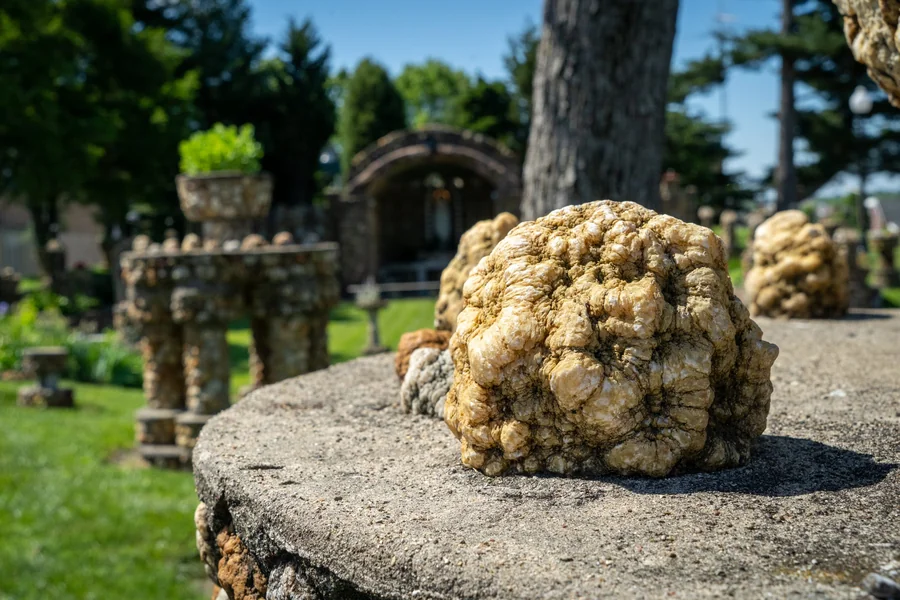
The question Where to Find Geodes in Indiana is something most rock collectors and outdoors people will ask when they first hear about the interesting crystal filled stones. Geodes are rocks of hollow nature which usually have crystals that are sparkling within. This can be so even with the exterior appearance of any standard rock, but upon the opening of the rock, one can find beautiful structures of the quartz, calcite, or other minerals.
One of the famous locations in the United States where geodes could be found is Indiana. The geology of the state has provided the perfect environment of forming geodes millions of years back. The area was once covered by ancient seas which deposited a crust of sailing sedimentary rocks which formed cracks in which the minerals crystallized.
These geodes were revealed by natural erosion and the courses of rivers over time in streams beds, gravel beds and outcrops. Today hunters visit such places in hopes that they can locate geodes buried in the middle of common stones.
The geological environments in which geodes are found can also be understood and this can in turn increase the chances of discovering geodes. This guide will explore where geodes are most likely to be found in the state of Indiana as well as the hints that a collector employs to locate them.
Why Indiana Has Geodes
Geodes are found in Indiana, which is closely related to the geologic history of the state. Tropical seas occupied the area millions of years ago. With the buildup of marine sediments, limestone and other sedimentary rocks were built over the area.
Small holes in the rock layers were formed during this period. Gas bubbles, decaying organic material or chemical reactions within the sediment could easily create these cavities.
These spaces were filled by mineral rich groundwater in the future. During the slow process of evaporating or cooling of the water, minerals started to crystalize along the internal walls of the cavities.
This phenomenon slowly formed the hollow stones that we today know as geodes. There were geodes that were full of minerals and there were those that were empty with the crystals on the inside.
These formations were exposed to millions of years of erosion to expose them to the surface where they are found today.
Southern Indiana: A Geode Rich Region
Southern Indiana has been popularly viewed as the most suitable location in the state to discover geodes. The region has a number of counties, which are made up of limestones, river systems where geodes are naturally found.
Rock collectors especially like Brown County and Lawrence County. These regions have a large number of creeks and small rivers which reveal geodes due to the erosion processes.
Another highly known area where geodes can be located would be Monroe County in stream beds and gravel beds.
The collectors tend to fish in deeper parts of the water mass whereby flowing streams carry away the sediment and expose concealed rocks.
The geode formation is ideal in this area since the rocks used in its creation were formed due to the sea conditions millions of years ago.
Creek Beds and Riverbanks
One of the best places to search for geodes in Indiana is along creek beds and riverbanks. Water continuously drags sediment and rocks downwards revealing those stones that were originally covered by the soil layers.
Following heavy rainstorms these places could display new geodes that could not be seen before. Collected specimens are usually found in the creeks soon after a rainfall as the water can reveal the presence of new specimens.
Around creek beds when searching it is useful to seek rounded rocks which seem lighter than they do. A lot of geodes is lightened with hollow spaces and that is why they become a little less heavy than solid rocks of equal size.
Stones: The outer surface of the rock could have a few raised bumps or rugged formations that indicate the presence of a geode.
There are also those who collectors knock stones against each other to hear a hollow sound which shows the presence of a potential geode.
Limestone Outcrops and Gravel Deposits
The other location to look to find geodes is around limestone formations. As there are numerous geodes that were created in the layers of limestone, the erosion of these rocks may provide geodes to the surrounding environment.
Geodes can be revealed in the rocks on occasions in cliffs and rocky hillsides composed with limestone.
One more promising location is gravel deposits since they frequently have the stones that were deposited by water. These deposits can contain geodes which moved in their place of origin.
Geodes may be found in piles of gravel at the road sides, construction sites, and natural gravel bars on rivers.
Nevertheless, one should obey the local laws and seek consent before taking rocks on areas of personal property.
How to Identify a Geode in the Field
Rather, it may be hard to tell which geode to open before opening it, as the outer surface is usually unremarkable. Nevertheless a few characteristics can assist the collectors to identify them.
Geodes are normally rounded or bumpy in contrast to sharp. The surface can be either rough or bumpy.
It is also the hollow interior that causes many geodes to feel lighter than rock, which is solid and of the same size.
Small crystal points can also be seen on broken surfaces of the outer shell in case of some instances.
The other useful method is to shake the rock close by your ear. Sometimes in a hollow geode may have loosely floating crystals that can create a rattling sound.
These hints do not assure a geode, but will raise the possibility of recognizing one that will be found prior to opening it.
Tips for Successful Geode Hunting
Geodes takes time and time to observe. A helpful hint is to look where the rocks lie exposed to the water flow by natural processes.
The riverbanks, creeks, and erosion areas tend to expose the stones that previously were hidden by the sediment.
The collection can be easier and safer with the help of a small bucket and a pair of gloves.
One can also carry a hammer or special geode cracking tool to open the stones in future. Nevertheless, a lot of collectors would bring geodes home before opening them so that the possible crystal formations may not be destroyed.
In searching, it is possible to keep a field guide or smartphone-based reference to help recognize rocks.
Above all, nature deserves respect, and no one must upset anyone by going against local regulations.
Final Thought
Where to Find Geodes in Indiana is also directly related to the ancient geological history of the state. These interesting crystal filled rocks are best suited in the limestone structures and river systems of south Indiana.
Creek beds, gravel beds and limestone beds are some of the most preferred places to seek geodes to date. Patience and observation can help collectors find some stones containing some sparkling crystals of quartz or calcite inside.
To most rock lovers it is not just the crystals but the whole experience of the search in nature which brings the geological treasure.
FAQs
Where are geodes most commonly found in Indiana?
Geodes are most commonly found in southern Indiana, particularly in counties such as Brown, Monroe, and Lawrence.
Why does Indiana have many geodes?
The region’s limestone formations and ancient marine environments created cavities where minerals crystallized over millions of years.
What do geodes look like on the outside?
They often appear as rough, rounded rocks with a dull surface and sometimes feel lighter than solid stones.
Can you find geodes in Indiana creeks?
Yes. Many collectors search creek beds and riverbanks where erosion exposes geodes.
Do all geodes contain crystals inside?
Not always. Some geodes contain crystals such as quartz or calcite, while others may be filled with solid mineral deposits.