
Valuable Rocks in Wisconsin – Gems Minerals and Finds
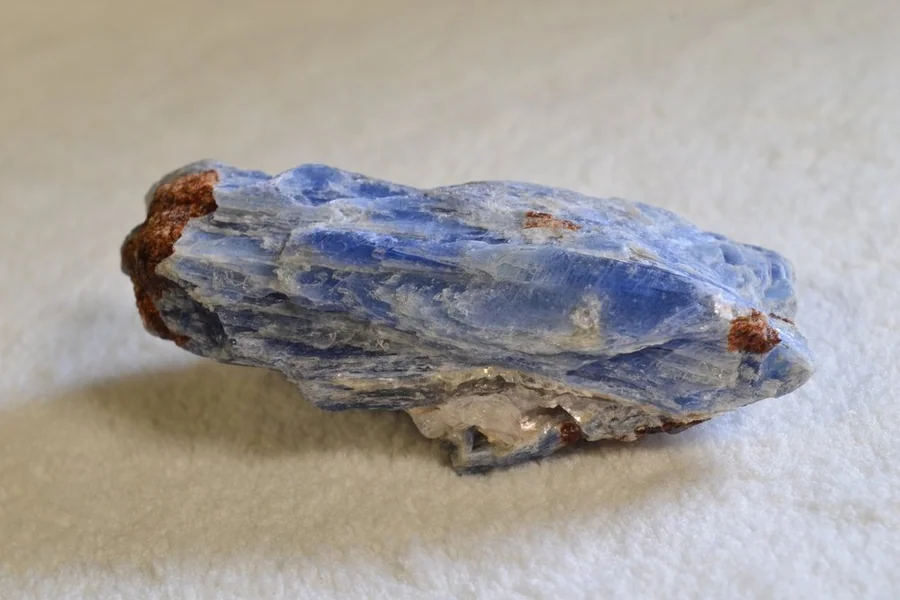
The Wisconsin state is probably recognized more in its forests, lakes, and picturesque nature, however, the state has also an interesting geological history. Many interesting minerals and stones have been discovered in the soil of its banks, and its lakeshores. The issue of Valuable Rocks in Wisconsin is a matter of curiosity to those who may be interested in geology or rockhounding. The state has an unexpected variety of collectible rocks, including colorful agates, old quartz structures, and others.
Millions of years later, the glaciers flowed within the area transporting minerals that had been deposited in remote areas and deposited them across Wisconsin. These ice flows were able to distribute a large variety of rocks across the state. When glaciers melted down they left behind them gravel beds, river sediments and shore deposits of these rocks which are now found in several locations.
To learn about Valuable Rocks in Wisconsin, it is necessary to take a glimpse into the geological history of the area, the kind of stones that are prevalent in the area, and where the collectors usually go hunting. The amateur rockhound or the experienced collector would find numerous opportunities in Wisconsin to discover rare natural treasures.
Geological History Behind Wisconsin’s Valuable Rocks
The type of rocks present in Wisconsin has a close relation with the early geological events of the area. The last Ice Age has left much of the landscape in the form of glaciers. These huge ice covers were slowly rolling over North America bringing with them rocks and minerals as far north as possible.
The glaciers moved back and forth, abrasion and transportation of material on the bedrock occurred as the glaciers moved. As the ice finally melted, it left these materials all over the Midwest. In this process, gravel fields, riverbeds and lake shores were formed with mixed stones.
Due to this glacial flow, the rocks present in a lot of the regions in Wisconsin were not there initially. Rather they were brought in areas like Canada and northern Minnesota. These moving rock masses may contain minerals which are valuable or rare to the collector.
This glacial history is the reason why rock collectors may pick up a great variety of stones scattered about the state even in the places where such minerals never grew.
Lake Superior Agates
The Lake Superior agate is one of the most renowned Valuable Rocks of Wisconsin. These are very beautiful stones that are highly favored by the collectors due to their bold banded designs and colorful appearances.
Lake Superior agates formed millions of years ago in volcanic rock cavities. These cavities were gradually filled with silica rich fluids which then formed layers of quartz. The layers formed as the stone had distinctive bands of color with time.
These agates commonly have the red orange and yellow hues which are a result of traces of iron in the mineral structure. The banded patterns as well as these colors make each agate look different.
These stones were later swept by glaciers throughout the area including northwest Wisconsin. Gathering sites of these beautiful specimens during the present time are along Lake Superior beaches gravel pits and along riverbanks which are searched by collectors in the hope of finding them.
Because of their beauty and rarity well polished Lake Superior agates are sometimes used in jewelry or decorative pieces.
Quartz and Crystal Formations
Another mineral that can be easily found that the collectors regard as one of the Valuable Rocks in Wisconsin is quartz. This mineral comes in different forms such as crystal clusters, clear quartz milky quartz and in some cases.
Quartz is a mineral that is formed by the cooling and the crystallization of silica rich liquids in cracks and holes of the rocks. Gradually the crystals develop into solid mineral structures.
Wisconsin quartz will be available in numerous places which include gravel beds, stream beds and natural rock formations. In spite of the fact that quartz is widely dispersed in the world there are some specimens with well formed crystals, which are highly appreciated by collectors.
Quartz crystals may occasionally look glassy or clear and other samples may look cloudy or even milky. There are even specimens that have small inclusions of other minerals that have become trapped in formation.
Quartz is hard and thus tends to endure glacial transport and is found in numerous gravel beds throughout the state.
Jasper and Other Colorful Stones
Another stone that has been included in the discussion of Valuable Rocks in Wisconsin is Jasper. It is a type of microcrystalline quartz that is characterized by vivid colors and designs.
In contrast to transparent quartz jasper, it is normally opaque and may be either red brown yellow or green. These are colors that are a result of mineral contents in the stone like iron.
The formation of jasper took place in millions of years, both sedimentary and volcanic. With glaciation these stones were carried out over time and deposited across Wisconsin landscapes.
Divers usually discover jasper in the gravel beds of riverbeds and agricultural areas that have suffered soil erosion and where the buried stones have been revealed. Certain works are swirling, or have color changes that are overlaid to make them particularly attractive.
Jasper is also polished and frequently used in jewelry carvings and decorative stone work due to its durability and colorful look.
Petoskey Stones and Fossilized Coral
The other interesting observation of precious stones in the area is the petoskey stone. Though these stones are most often related to the state of Michigan, they sometimes can be located in the areas of Wisconsin because of the glacial movement.
The petoskey stones are the fossil coral which existed in oceans many hundreds of millions of years ago. When polished they bear unique hexagonal designs that look like honeycomb designs.
The formation of these fossils took place when skeletons of ancient coral were eventually replaced by minerals over a period of time. The resultant stones are the same coral structure that becomes solid rock.
These fossils are of interest to collectors because they are scientifically interesting and are also attractive. The patterns are particularly appealing when they are made wet or polished and hence become very visible.
Although less frequent than agates or quartz they still make an interesting discovery among the rock-collector on the part of the region.
Popular Rockhounding Locations in Wisconsin
In Wisconsin, there are a number of locations that rock collectors would be interested in. A lot of these places were influenced by glacial deposits or erosion by rivers which show various minerals.
Northern Wisconsin Lake Superior shorelines are some of the most frequented locations. The movements of waves continuously move rocks along the beaches in some cases exposing agates and other stones.
There is also the possibility of collecting riverbanks and gravel bars. Natural processes like flowing water cause the stones of various sizes and densities to be sorted naturally so that specific minerals can be easily identified.
Interesting rocks that were once covered by layers of soil are sometimes exposed by gravel pits and construction areas. Nevertheless collectors are advised to seek permission before searching a private property.
The collections in the state parks and the various land protection areas may be limited to some extent and therefore one should adhere to the local rules and regulations and avoid interfering with the natural environment.
Tips for Identifying Valuable Rocks
A beginner may find it as quite difficult and as well as satisfying to learn how to determine some interesting rocks. A few rudimentary observations will assist in differentiating precious specimens of stones and common ones.
The first indications are usually color and pattern. The stones with unusual banding swirling designs or rich colors can be examined in more detail.
The texture and hardness may give some clues as well. Quartz and agate are some of the precious minerals which are smooth and dense to touch as opposed to those which are soft.
The other useful approach is observation of the interaction of light with the stone. Quartz based minerals are likely to be slightly translucent when placed against the light.
Small devices like field guides or magnifying lenses are also carried by a lot of collectors to assist in the identification of minerals by them with greater precision.
The rockhounds acquire the art through practice and patience to distinguish valuable discoveries in nature.
Final Thought
Priceless Rocks in Wisconsin are the indicators of impressive geologic history which formed the area. The various stones that are found in the state today were formed by the different processes of sedimentary activities of volcanoes, and the various movements of glaciers in the state.
From colorful Lake Superior agates to quartz crystals jasper and fossilized coral the region offers a wide range of interesting minerals for collectors. The stones have stories that relate them to the ancient geological activities and conditions.
To the lovers of rocks Wisconsin is an interesting place to look into natural wealth besides being able to enjoy beautiful scenery of the state. Each of the discoveries, whether it is on a riverbank of a lake or a gravel field, brings another bit into the story of the history of the Earth.
FAQs
What are the most valuable rocks in Wisconsin?
Some of the most sought after rocks include Lake Superior agates quartz crystals jasper and occasionally fossilized coral stones.
Where can Lake Superior agates be found in Wisconsin?
They are often found along Lake Superior beaches riverbanks and gravel deposits in northern Wisconsin.
Is it legal to collect rocks in Wisconsin?
Rock collecting is usually allowed on public lands unless restrictions are posted but collectors should avoid protected areas and private property without permission.
How can you identify a Lake Superior agate?
Lake Superior agates usually have distinctive banded patterns and red orange or yellow colors caused by iron minerals.
Can valuable rocks be found in Wisconsin riverbeds?
Yes many collectors search riverbeds and gravel bars because water movement exposes different minerals and stones.
Do glaciers affect the rocks found in Wisconsin?
Yes glaciers transported many rocks and minerals into Wisconsin during the Ice Age which is why the state has such a diverse variety of stones.