
Beginner’s Guide to Planning a Trip to Peru
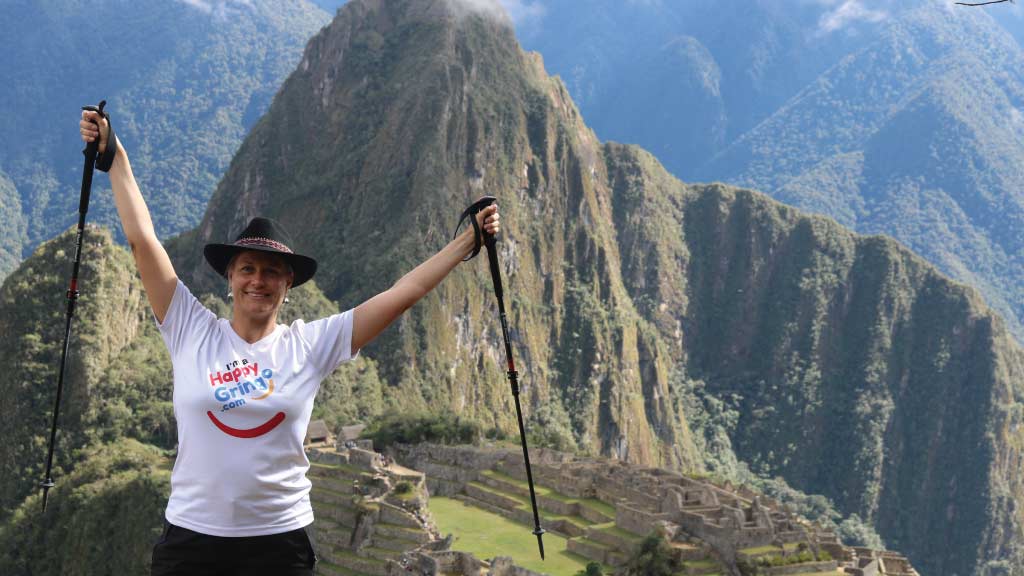
Planning your first adventure to Peru can feel overwhelming. This South American gem offers everything from ancient ruins and vibrant cities to Amazon rainforests and coastal deserts. With so much to see and do, knowing where to start is half the battle.
This guide will walk you through the essential steps to plan an unforgettable Peruvian adventure, even if you’ve never traveled to South America before.
When to Visit Peru
Peru’s climate varies dramatically by region, so timing your visit depends on where you want to go. The dry season from May to September is ideal for hiking the Inca Trail and exploring the highlands around Cusco and the Sacred Valley.
If you’re heading to the coast or Lima, visit between December and March when temperatures are warmest and skies are clearest. The Amazon region stays warm year-round, though the drier months from May to October make wildlife spotting easier along the riverbanks.
Keep in mind that June through August is peak tourist season. You’ll encounter larger crowds at popular sites like Machu Picchu, but you’ll also enjoy the most reliable weather for outdoor activities.
Essential Documents and Health Preparations
US, Canadian, UK, and EU citizens don’t need a visa for tourist visits up to 183 days. Your passport should be valid for at least six months beyond your planned departure date from Peru.
No vaccinations are legally required for entry, but doctors recommend being up to date on routine vaccines. If you’re visiting the Amazon or jungle regions, consider vaccinations for yellow fever, typhoid, and hepatitis A. Malaria prophylaxis might also be recommended depending on your specific itinerary.
Altitude sickness is a real concern in highland areas. Cusco sits at 11,150 feet, so give yourself at least two days to acclimatize before attempting strenuous activities or visiting even higher elevations like Rainbow Mountain.
Must-Visit Destinations for First-Timers
Machu Picchu tops nearly every traveler’s list, and for good reason. This 15th-century Inca citadel is breathtaking, but it requires advance planning. Permits sell out months ahead during peak season, so book early.
Cusco serves as the gateway to Machu Picchu and deserves at least two days of exploration. The city itself is a UNESCO World Heritage site with stunning colonial architecture built atop Inca foundations.
Lima, Peru’s capital, offers world-class dining, fascinating museums, and beautiful coastal neighborhoods like Miraflores and Barranco. Don’t skip it just to rush to the highlands.
The Sacred Valley provides a gentler introduction to high altitude while showcasing incredible archaeological sites like Ollantaytambo and Pisac. Many travelers use it as a base before heading to Machu Picchu.
Getting Around the Country
Domestic flights connect major cities and save considerable time. LATAM and Avianca are the most reliable carriers, with frequent routes between Lima, Cusco, and Arequipa.
Buses range from basic to luxury, with companies like Cruz del Sur offering comfortable overnight journeys with reclining seats and onboard service. This option works well for budget-conscious travelers who don’t mind longer travel times.
In cities, use official taxi services or ride-sharing apps like Uber and Cabify for safety. Always agree on fares beforehand if using unmarked taxis, though registered services are more reliable.
Peru trips often involve various transportation methods, so build flexibility into your schedule. Weather delays, especially during rainy season, can affect flights and road conditions.
Budgeting for Your Trip
Peru can accommodate various budget levels. Backpackers can survive on 30-40 dollars daily by staying in hostels, eating at local markets, and using public transportation.
Mid-range travelers should budget 80-120 dollars per day for comfortable hotels, restaurant meals, and guided tours. This allows for better accommodations and more organized experiences at major attractions.
Machu Picchu represents your biggest single expense, with entrance fees, transportation, and guide services totaling 150-200 dollars minimum. Luxury train options and upscale hotels near the site can push costs much higher.
ATMs are widely available in cities, but always carry some cash for smaller towns and markets. US dollars are accepted in tourist areas, though you’ll get better value using Peruvian soles.
Making the Most of Your Adventure
Start planning at least three to six months in advance, especially if visiting during peak season. This gives you time to secure Machu Picchu permits and book popular accommodations.
Learn basic Spanish phrases to enhance your experience and show respect for local culture. While many tourism workers speak English, knowing simple greetings and questions helps in markets and smaller towns.
Pack layers regardless of season, as temperatures fluctuate dramatically between day and night, especially in the highlands. Good walking shoes are essential for exploring archaeological sites and cobblestone streets.
Peru offers incredible diversity within one country, making it perfect for first-time South American travelers. With proper planning and realistic expectations, your Peruvian adventure will exceed your dreams and leave you planning your return visit before you’ve even left.