
Gemstones Found in Hawaii: Volcanic Treasures of the Islands
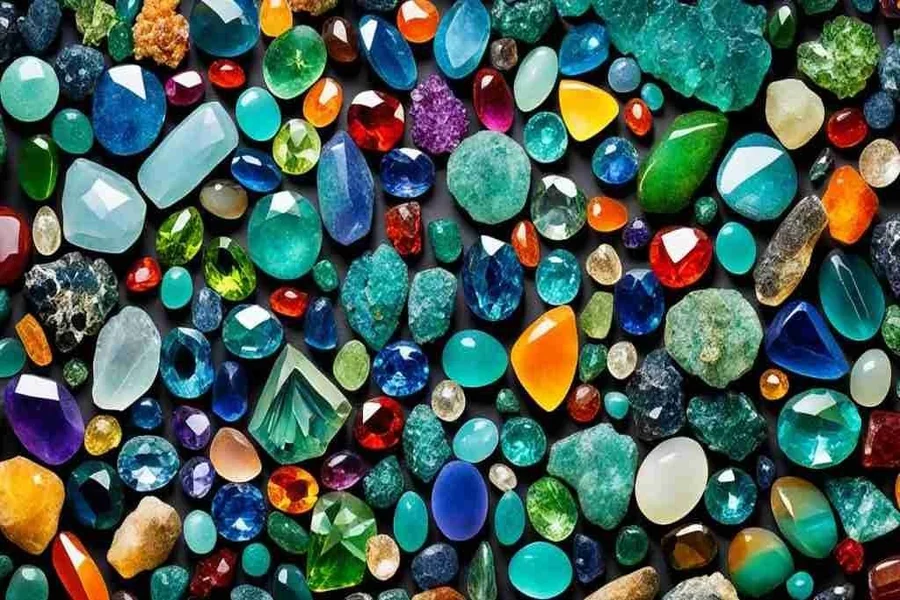
Gemstones Found in Hawaii indicate natural history of the islands which is dramatic and also reflects on the unique environment of the islands. Hawaiian gemstones are also closely associated with the lava flows, volcanic rock and ocean activity, unlike most other areas in the world where gemstones are formed during geological processes deep underground. Such natural circumstances furnish a little though interesting variety of stones which are the object of geologists, stone collectors, and wondering travelers.
The Hawaiian Islands are located over a hot spot in the Pacific Ocean which is volcanic in nature. In millions of years this hot spot has forced molten rock upwards to create the present day chain of islands. When the lava cools down and it mixes with minerals found in the mantle of the earth, some crystals are formed. The crystals also are visible at times as small gems in volcanic rock or in eroded and sea wave-shaped beaches.
Even though Hawaii is not known to manufacture huge commercial gems such as diamonds or rubies, the islands have their own gems. These are also some of the unique volcanic stones which are closely linked to the Hawaiian culture and topography. A knowledge of these gems brings out an interesting relationship between geology, history as well as nature.
Volcanic Origins of Hawaiian Gemstones
Gemstones are formed in Hawaii and this process is directly associated with volcanoes. Magma that originates at the base of the mantle of the earth takes with it different minerals. When the lava cools down during volcano eruptions then these minerals start crystallizing. Given the proper environment they may develop small crystals of gemstone quality entrenched in basalt or some other volcanic rock.
Olivine is one of the most valuable minerals that are present in Hawaiian lava. This rock is formed at intense pressure and heat in the mantle of the earth. After the magma is exposed to the surface and cools, there is the possibility of the presence of olivine crystals trapped within the rock. With time natural weathering and erosion can cause these crystals to be discharged out of the surrounding rock.
Waves at the sea and erosion of the coast are other factors that expose Hawaiian gemstones. Lava rock coming into the sea gradually disintegrates as it is beaten up by waves. It is a process that releases minor crystals that can wash up in beaches or get embedded into sand.
Due to these geological processes most of Hawaiian gemstones are reasonably small in comparison with those mined in other places. Nevertheless, their candylike colors and relation to volcanic scenes are of particular interest to the collectors and visitors.
Peridot: Hawaii’s Most Famous Gemstone
Peridot is commonly regarded as the most popular gemstone that is linked to Hawaii. The islands are even in actual sense associated with this bright green rock due to its occurrence in some volcanic regions. Peridot is in fact a gem grade form of mineral olivine and is formed under intense heat in the depths of the earth.
In cases where volcanic activities expose olivine to the surface, there are certain ones that are so clear and bright to be referred to as peridot. These green gems are also capable of developing a pale yellowish green to dark olive color with regard to the amount of iron content. The color is usually very pronounced due to the contrast between the dark basalt rock, which the crystals are located in.
Among the most notorious places that are linked with peridot in Hawaii is Papakolea Beach in the Big Island. The key feature of this beach is its unique green sand that is mostly made up of the crystals of olivine that have been eroded off the local volcanic cones. The grains though small in size form a glittering green line of shore that appears nearly surreal.
Peridot has been a treasure that has been adored as a jewel of renewal and prosperity. In Hawaiian it has smart green color which resembles the vibrant greenery and volcanic soil which characterize the islands.
Read More: Snowflake Jasper vs Snowflake Obsidian: Key Differences Guide
Other Minerals and Stones Found in Hawaii
Although peridot is the most famous gem related to the islands there are a number of other minerals and stones that can be found in the Hawaiian volcanic rock. They do not necessarily have to be considered as traditional gemstones but they have geological and aesthetic significance.
One of these materials, which are occasionally referred to volcanic regions, is obsidian. This is a volcanic glass that is created naturally when the lava solidifies before it is allowed to form crystals. Whereas obsidian is more often found in such locations as Mexico or western part of the United States there can be small occurrences in volcanic settings such as some areas of Hawaii.
Other attractive characteristics of Hawaiian lava formations are basalt crystals. The volcanoes of the Islands produced basalt as the common type of rocks. In basalt small crystals of minerals may occasionally grow in form of special patterns or textures within the rock.
Quartz is not a common feature of Hawaii as it is not an environment that promotes the formation of this volcanic rock. Nevertheless, some minor components of silica-based minerals can sometimes be found in some rock formations. These are generally fine microscopic minerals yet they make the geology of the island more diverse.
Hawaiian rocks are commonly studied by collectors and geology enthusiasts due to the fact that even small assortments of minerals crystals may provide significant information about volcanic history of the island.
Cultural Meaning of Stones in Hawaiian Tradition
Within the Hawaiian culture, stones and minerals tend to have a spiritual and symbolic significance. Even the islands are considered to be sacred landscapes that are created by some mighty forces of nature. The Hawaiian goddess Pele that is thought to be in charge of volcanoes and fire is inextricably linked with volcanic activity in specific.
To the old beliefs some of the stones that result through volcanic eruptions are regarded as being sacred. It is discouraged that lava rocks or sand be taken within the volcanic regions since it is considered to cause bad luck or to upset the nature balance.
This cultural outlook motivates the visitors to take care of the natural environment. They do not take away the stones that many individuals prefer to marvel at the place of occurrence. This will also be a way of conserving delicate ecosystems and interesting geological formations.
Hawaii culture usually focuses on spiritual unity with the land. The pebbles lying on the beaches and lava beds serve as the reminders of the mighty origin of the islands and their closeness to the nature.
Where People See Hawaiian Gemstones
Visitors to Hawaii who have an interest in gemstones usually do not visit the more conventional mines, but instead visit natural places that are known to have the stones. The islands are the products of volcanic eruptions, which explains why the majority of gemstones are discovered in lava flows or in the beaches formed by the processes of erosion.
One of the most renowned locations to see the olivine crystals is the green sand beaches. These beaches are full of innumerable minute structures of the mineral that glitter in the sunlight. Although these grains are typically little in size their color will produce a visual effect.
Another location of the mineral crystals may be lava fields and volcanic parks. Dark rock surfaces have small crystals of green olivine, which are sometimes witnessed in weathered basalt. These natural details can be found spread in the landscape and can be carefully observed.
Sample gemstones and volcanic minerals can also be found in museums and geological centers around Hawaii. These displays assist the visitors to know how the islands were formed and why some minerals are found within the lava rock.
To geological travelers, the experience of visiting the sites of these stones in their natural habitat can be much more valuable than seeing polished gems in the store.
Final Thought
Gemstones Found in Hawaii are a rare observation of the volcanic forces that were incredibly powerful and formed the islands. Although Hawaii does not yield big commercial deposits of gemstones, its mineral resources are incredibly related to natural processes that take place in the earth. The presence of such stones as peridot and olivine narrate the tale of magma which ascended the mantle and solidified to form crystals over time.
The most amazing thing about these Hawaiian gemstones is that they are associated with the scenery itself. The green crystals scattered on volcanic rock or glittering along the coast sands serve as reminders to the visitors that the islands are still developing under the influence of natural forces.
To geology lovers and anyone willing to explore the culture history of Hawaii, the gems found in Hawaii are another dimension of beauty lurking in the volcanoes. They demonstrate that even the tiny crystals that are a part of lava can contain stories that are millions of years long.
FAQs
What are the most common gemstones found in Hawaii?
The most common gemstone associated with Hawaii is peridot which is the gem-quality form of the mineral olivine.
Why are gemstones in Hawaii connected to volcanoes?
Hawaii formed through volcanic eruptions and many minerals crystallize from magma as it cools which allows certain gemstones to develop.
Can visitors collect gemstones from Hawaiian beaches?
Collecting stones from certain areas is discouraged because of cultural beliefs and environmental protection rules.
Where can people see peridot in Hawaii?
Peridot crystals are most famously visible at Papakōlea Green Sand Beach where olivine fragments create green colored sand.
Are large gemstone deposits found in Hawaii?
Large commercial gemstone deposits are rare in Hawaii because most crystals formed in volcanic rock are relatively small.
Do Hawaiian gemstones have cultural meaning?
Yes. Many stones connected to volcanic landscapes are considered spiritually significant in Hawaiian traditions.