
Indiana Rock Guide – Types, History, and Uses
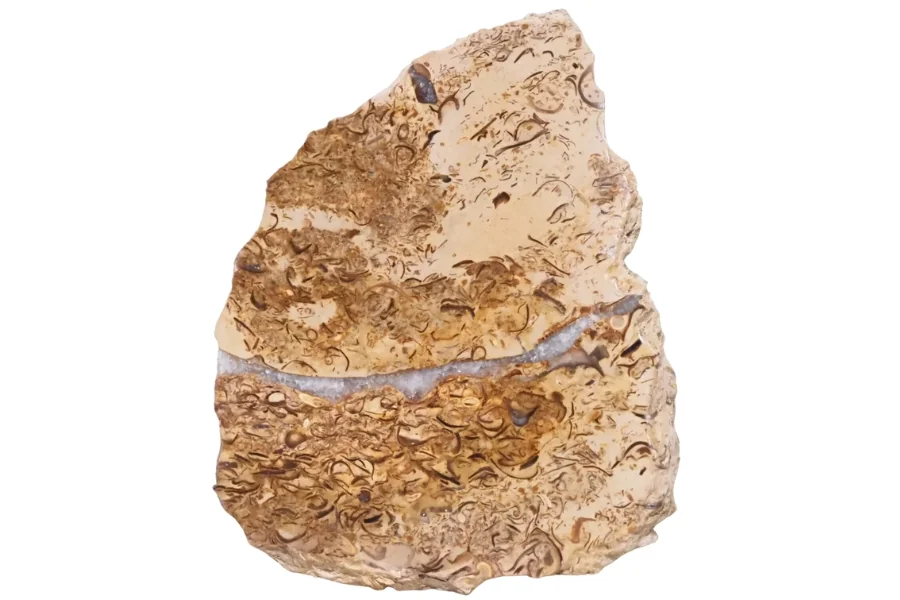
Indiana is famous with the rich geological landscape and various types of rocks. When most individuals are seeking information about the Indiana rock, they are likely to be referring to the stones, minerals, and most importantly the renowned limestone that has been molding the state of Indiana over the ages. Since ancient seabed to the present-day construction works, the rocks of Indiana provide a significant narrative of the history of the earth.
Indiana was covered to a great extent in shallow tropical seas millions of years ago. The ocean bottom was covered over the years with sea life like shells, corals, and other marine organisms. Their remains formed beds of rocks over time which became hardened into limestone and other rocks. These structures are two of the most famous examples of Indiana Rock today.
To know Indiana Rock, one will have to observe the kinds of stones which are available in this area, how they were formed, and how they were applied in both architecture, industry and learning. The geology of the state remains a subject of interests to the scientists, collectors, and students who desire to know more about the natural materials under Indiana landscape.
Geological History of Indiana Rock
The Indiana Rock geological history dates back to hundreds of millions of years ago in the Paleozoic Era. Over this period of time extensive portions of the Mid West were under the sea which was warm and shallow with marine life.
When these creatures died, their shells and skeletal remains had fallen on the ocean floor. With time, the sediment which was composed of thick layers of calcium was hardened to form limestone.
These deposits of limestone are a major portion of the bedrock occurring throughout southern Indiana currently. It took millions of years before the process of sedimentation ended resulting in rock formations that bear fossils and mineral deposits.
With the change in the sea level and the continents drifting aside, the oceans eventually receded. These layers of rocks came to be exposed at the surface due to erosion and geological movement.
It is this long geological history that shows why Indiana has the large deposits of limestone and fossil bearing sedimentary rocks.
The Famous Indiana Limestone
When individuals talk of Indiana Rock, they are usually referring to Indiana limestone. The material is one of the most vital building materials that are generated in the US.
The Indiana limestone is characterized by its smooth texture, strong, and light gray color. It was composed of sediments compressed in the sea and solidified after some time into rock.
Southern Indiana has imported large limestone quarries that have been used to provide building stone over a century. It is very strong and attractive thus has been applied in several well known buildings.
The Indiana limestone is used in structures like the government buildings, universities and the historic monuments across the United States. The quality it possesses is always very good hence making it quite useful in carving and architectural design.
Limestone quarrying has become one of the most important industries related to the Indiana Rock because of the significance of the stone.
Fossils Found in Indiana Rocks
A high level of fossil remains that are found in the sedimentary formations is perhaps one of the most intriguing areas of the Indiana Rock. These fossils are very useful in giving evidence regarding marine ecosystems in the past.
Other typical fossils in the Indiana limestone are brachiopods, crinoids and the coral structure. These creatures were originally inhabiting the shallow waters that were previously covering the area millions of years ago.
The sea lilies are common, especially the crinoids. Their stems are segmented and have circular forms easily identified in deposits of limestone.
Sedimentary rocks are also common in the state with fossilized shells and bits of coral.
These fossils aid the scientists to know more about the environment that existed during the time of formation of the rock. The fact that they also render Indiana an interesting place among fossil collectors and geology students.
Other Rocks and Minerals in Indiana
In spite of the fact limestone is the most well-known representative of Indiana Rock, there are other types of rocks and minerals that can be found in the state.
Another type of sedimentary rock is sandstone which is found in some regions. It is formed when the grains of sand get compressed and glued together during a long time.
Shale also is widespread and most of the time is found in stratified form. This is a rock that is formed out of the small particles of clay that were deposited in ancient waters.
The mineral quartz and calcite may occur in these layers of the rock in terms of crystal deposits. Although gemstones are not commonly present in Indiana, there are still small mineral specimens that can be discovered by collectors.
There was also the movement of rocks into Indiana through the activity of glaciers during the Ice Age that carried rocks that were found elsewhere. These ice sheets occasionally have stones, previously formed even farther than the state is itself.
All these materials contribute to the geologic diversity of Indiana.
How Indiana Rock Is Used Today
There are a lot more practical applications of Indiana Rock than the scientific aspect of it. The state limestone has been a significant contributor to the construction and architecture in the United States.
Indiana limestone is quite popular in building facades, sculptures, and monuments because it is easy to cut and shape, and, nevertheless, retain its strength.
Universities, government buildings, and historic buildings are common examples of places that have limestone that has been quarried in southern Indiana.
Limestone finds application in other sectors like agriculture and manufacturing other than construction. Crushed limestone is used in order to counter the acidity in soil and to supply the necessary minerals in agriculture.
Cement production and other industrial processes also use it.
Such applications show the contribution made by Indiana Rock to the economy and infrastructure of the state.
Collecting Rocks in Indiana
Rock collecting is one hobby that can be enjoyed by individuals with some interest in geology of Indiana. Several collectors look after fossils, fascinating rock formations and specimens of minerals.
Arbitrary stones that have been brought by the erosion action of water are commonly found in riverbeds and gravel beds. They are the places where fossils or peculiar rock forms are occasionally found.
One can also have a chance to study sedimentary formations by road cuts, and the exposed rock layers.
Nevertheless, collectors must never violate local laws and must also respect private property in search of rocks.
Conscientious collecting aids in the protection of geological sites and at the same time permits the amateurs to appreciate the natural history of the area.
Final Thought
Indiana Rock is an outstanding historical event in the geology of the Midwest. The rocks of Indiana were formed in the ancient seas and they have always undergone millions of years of natural change; thus, the rocks tell the story of marine life, sedimentation and erosion.
The limestone that is popular in the state has been majorly used as a building material in some of the best known buildings in the United States. Meanwhile, the fossils that are found in these rocks can give a great idea regarding the life that existed hundreds of millions of years ago.
To geologists, and collectors, or those just interested in the natural history of the earth, the rocks of Indiana present an interesting lesson: that even the most common stones may contain some extraordinary stories of the past.
FAQs
What is Indiana Rock most commonly known for?
Indiana Rock is most commonly associated with Indiana limestone, a durable building stone widely used in architecture.
How did Indiana limestone form?
It formed from layers of marine sediment created by shells and other sea organisms that lived in shallow oceans millions of years ago.
Are fossils common in Indiana rocks?
Yes many limestone formations contain fossils such as brachiopods, crinoids, and coral remains.
Where can rocks be collected in Indiana?
Collectors often search riverbeds, gravel deposits, and exposed rock formations where sedimentary layers are visible.
Is Indiana known for gemstones?
Indiana is not widely known for gemstones, but minerals such as quartz and calcite can occasionally be found.
Why is Indiana limestone used in construction?
It is valued for its strength, consistent texture, and ability to be cut and shaped easily for building materials.