
Gray Minerals and How to Identify Them in Nature
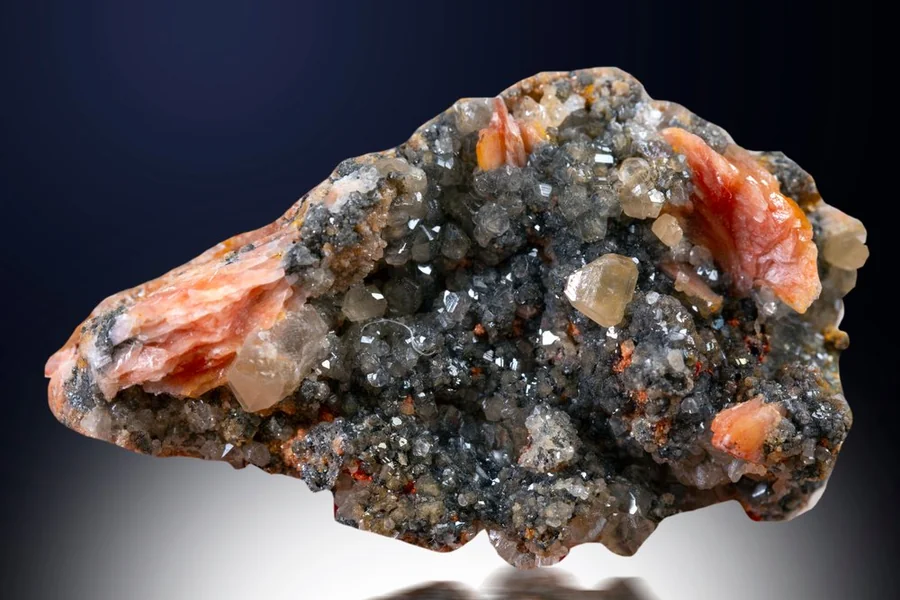
Gray Minerals can be found in numerous geological surroundings and they may remain unrecognized since their shadows are considered to be faint when compared to the vivid gem stones or colorful crystals. Nevertheless these minerals are significant in the make up of the rocks and the crust in the earth. Their colors are varied between light silver gray to deep charcoal colors with respective to the elements and crystal structures.
Most of the gray minerals are thought to occur as a result of volcanic eruptions, mud deposition or due to metamorphic changes occurring in the depths of the ground. The color is usually as a result of metallic elements, carbon content, or a particular chemical composition that is involved in the interaction of light with the mineral surface.
Gray minerals are so different despite their appearance being rather dull. Others have metallic smooth surfaces, whereas others are dull, smooth, or crystalline. There are even gray minerals (which have been utilized in the industrial sector, electronics, construction materials as well as jewelry).
Knowledge of such minerals will guide geologists to recognize rocks and the processes that make the planet. Some of the common gray minerals will be examined in this guide along with their characteristics and their identification.
Quartz: A Common Gray Mineral
Quartz is one of the most common minerals on the earth which can be of various colors such as gray. Though quartz is commonly related to clear or white crystals, grey ones are also widespread.
The quartz gray is formed when minute elements or inclusions get trapped up into the crystal structure throughout its formation. These contaminants may form gray tones of smoky or cloudy appearance.
Among the numerous varieties is smoky quartz that varies in color between light gray and dark brownish gray. The coloration is usually as a result of natural radiation interacting with impurities of aluminum in the crystal.
Quartz is also found in numerous sites such as the volcanic rocks, hydrothermal veins, and the sedimentary rocks. Owing to its relative hardness and resistance to weathering, quartz crystals are usually not eroded after the rest of the rocks have been eroded.
The mineral is also very strong and has appealing shapes of crystals that are utilized in jewelry and ornamental objects.
Galena: Metallic Gray Mineral
Galena is a spectacular mineral which has a metallic gray look. It consists mainly of lead sulfide and is among the greatest lead ore sources.
Galena crystals are usually cubic shaped having smooth reflective surfaces that resemble polished metal. The mineral can be blood bright silver gray when freshly exposed.
The metallic character is normally apparent with the passage of time the oxidation can make the surface a bit duller.
This mineral is common in the hydrothermal veins where hot mineral rich fluids deposit the metals in the cracks of the rocks. The deposits of galena are usually accompanied by the minerals sphalerite and calcite.
Due to being very dense galena is rather heavy when compared to most of the other minerals of similar size.
In the past galena was a major source of lead to be used in batteries, radiation shielding, and other industrial applications.
Graphite: Soft Gray Carbon Mineral
Another popular gray mineral (each of which is pure carbon in nature) is graphene. Graphite is soft in texture unlike most other minerals and leaves a mark when rubbed against a surface.
This is what made graphite the material of choice of pencil cores. As the pencil scribbles on paper, the tiny particles of graphite are deposited forming the common gray line.
Graphite is a product of metamorphic rocks, which develops due to the exposure of carbon bearing organic substances to high temperature and pressure.
The mineral is commonly found in form of flaking or layered masses having metallic gray hue. Due to the nature of the layers in graphite sliding easily off each other, the mineral is felt slipping to touch.
Graphite is also significant in modern technology such as batteries, lubricants and heat resistant materials.
Hematite: Gray Mineral with Metallic Luster
Hematite is an iron oxide mineral which might be in various forms such as metallic gray. Polished hematite frequently has a dark gray surface although in its powdered form it has a reddish brown color.
The mineral occurs in numerous geological settings such as the sedimentary rocks, hydrothermal and volcanic areas.
When highly polished, metallic hematite crystals may even seem almost mirror-like and are therefore used as jewelry and ornamental stones.
Due to the availability of iron in hematite, it has served as a good point of iron ore in the past. Powdered hematite was also used as a pigment to produce red paints and dyes as used by ancient civilization.
The pillage of metallic sheen and deep gray color make hematite have a unique look compared to most minerals.
Magnetite: Naturally Magnetic Gray Mineral
Another iron rich mineral, which is normally found in gray or black, is magnetite. Magnetism is one of the most interesting properties of it.
Magnetite is a naturally occurring magnetic material that is able to make a attraction of small metallic objects. It was one of the first known magnetic minerals due to this property.
The mineral can be found in igneous and metamorphic rocks in which the rich iron magma cools down and forms a crystal.
Magnetite tends to occur in the form of dark gray or black and has a metallic lustre. Having been polished they may exhibit a reflective surface resembling hematite.
Due to its magnetism magnetite is of great significance in the geology study. It is used by scientists to know the magnetic history of rocks and how the tectonic plates of the Earth move.
Magnetite is a key iron ore that is utilized in steel manufacturing.
Why Some Minerals Appear Gray
The gray color observed in most of the minerals may have been a result of a number of factors. Metallic objects like iron, lead, and carbon tend to result in gray or silver color due to their light reflection.
In minerals of metals the surface reflects the light in such a manner that it appears to be shiny gray just like a shining metal.
Nonmetallic minerals can also be gray with small arrasments or impurities that occur in between their crystal structures. These inclusions diffract light and lower the transparency resulting in grayish clouds.
Oxidation or weathering is another factor. The color of the minerals may vary a little when they are reacted with oxygen or other environmental factors, and in some cases, they form gray surfaces.
Knowledge of these causes of colors assists geologists to define the chemical makeup and formation history of mineral.
Final Thought
Gray Minerals might not seem as stunning as colorful gem stones, although they are also a basic component of the geological variety of the earth. Quartz, galena, graphite, hematite and magnetite are other minerals which present us with distinct characteristics which help in our comprehension of the natural processes.
Gray minerals play significant applications in science and in the day-to-day life of humans both in the form of the metallic ores consumed in industry and in the form of carbon minerals consumed in common tools. Their structures narrate how there was volcanic activity, metamorphic changes, and mineral abundant environments at the depths of the earth.
Knowing how to identify such minerals will serve to further appreciation of the complicated process that make up the planet. A single gray rock can contain the evidence concerning the geological history millions of years ago.
FAQs
What are gray minerals?
Gray minerals are natural mineral substances that appear in shades of gray due to their chemical composition or crystal structure.
What are some examples of gray minerals?
Common examples include quartz, galena, graphite, hematite, and magnetite.
Why do minerals appear gray in color?
Gray coloration can result from metallic elements, carbon content, or impurities that affect how light reflects from the mineral surface.
Is graphite considered a gray mineral?
Yes. Graphite is a soft gray mineral composed of carbon and is commonly used in pencil cores and industrial materials.
Are gray minerals valuable?
Some gray minerals such as galena and magnetite are valuable because they are important sources of metals used in industry.