
Common South Dakota Rocks and Minerals – A Collector Guide
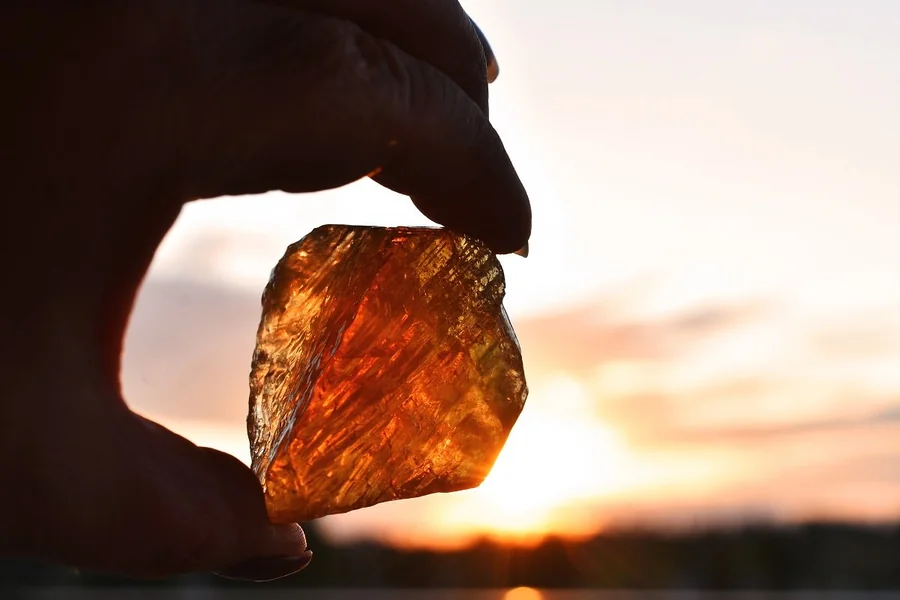
South Dakota boasts of spectacular sceneries, plains and prominent geological features. The history of minerals under these landscapes is very interesting and the rock collectors and geology lovers come there to see it in their country. When the citizens discuss Common South Dakota Rocks and Minerals, they refer to a great variety of stones formed during volcanic eruptions, ancient oceans, and efficient geological forces during millions of years.
Geology of the state is particularly well known on the territory of such areas as the Black Hills, where some of the most interesting mineral deposits of North America have been discovered. The regions have diverse range of rocks such as quartz crystals, agates, jasper and even gold bearing formation. A lot of these materials were molded deep in the ground and they were later eroded by erosion and tectonic activity.
Learning the Common South Dakota Rocks and Minerals make the collector enjoy the natural beauty and the scientific history of the area. Be it agates in the riverbeds or a study of ancient rock formations, South Dakota has numerous places where one can visit to observe amazing minerals that have been formed due to time and other forces of nature.
Geological History of South Dakota
The geological history of South Dakota is directly linked with rocks and minerals of the area. The area was subjected to volcanic eruptions and the tectonic plates several millions of years ago, as well as the existence of shallow seas that covered most of the land.
Black Hills is one of the most important geological locations of the state. It is a mountainous region that was formed by the masses of rocks that were driven up by the tectonic forces. The erosion caused the material around it to wear out leaving the rock formations that were older at the surface.
These are old structures that have some of the oldest rocks in North America. Most of the desired minerals by the collector are formed deep in these rocks and were first exposed after the natural erosion.
Glaciers as well contributed to the shaping of some portions of eastern South Dakota. This was because ice sheets that covered the area in the last Ice Age carried rocks and other minerals and deposited them in other parts of the region.
Due to these various geologic processes the state is well endowed with a variety of rock type and mineral formations.
Quartz and Crystal Formations
Among the Common South Dakota Rocks and Minerals quartz is one of the most well-known minerals. This mineral occurs as a result of cooling of silica rich fluids that crystallize in cracks and holes in rock.
Some quartz crystals occur as pegmatite in the Black Hills area. Pegmatites are grains of rocks which are coarse and in most cases possess big crystals of minerals because the cooling of the rocks was slow underground.
South Dakota quartz crystals can be either transparent, milky or a little smoky. A few specimens will grow out crystal points which are very distinctive and collectable.
Quartz is also a very tough mineral and this implies that it is usually resistant to erosion and weathering. Due to this tenacity fragments of quartz can occur in gravel beds and stream deposits throughout the area.
Quartz stones are frequently polished by collectors to make them appear more natural and clear.
Agates Found in South Dakota
Another commonly known example of South Dakota Rocks and Minerals is called Agates. These are a type of chalcedony which is a microcrystalline quartz.
Agate is known to be patterned with color striations. These bands are as a result of slow filling of cavities in volcanic rocks by silica rich fluids several millions of years ago. The beautiful patterns that we see today were formed as the minerals crystallized in layers that they formed.
The colors that are common to south Dakota agates are red, orange, brown and white. Many of these colors are caused by iron minerals that are trapped in the stone.
Agateas are occasionally discovered along riverbanks, in gravel deposits and along slopes which have been eroded away revealing concealed stones. The rounded lines that may be frequently observed in agates were achieved through several years of natural polishing by the elements of water and sediment.
When cut and polished agates are able to show beautiful interior designs that made them the favorite of jewelry and ornamental articles.
Jasper and Other Colorful Stones
The other type of mineral that is usually being linked with the geology of South Dakota is jasper. Jasper is also a quartz like agate, but it is opaque.
Jasper may be presented in diverse colors such as red, yellow, brown and green. The minerals that are introduced in the formation of the stone are the ones that cause these colors.
Jasper can have swirls, spots, or solid color unlike agate, which usually appears banded. There are specimens with vivid patterns, which are reminiscent of landscapes or abstract painting.
These are sedimentary stones or volcanic rocks that were created in the past. As time passed, they were eroded and at the surface where they are found in natural deposits they may be collectors.
Jasper is a relative hard and durable material, thus used occasionally as carvings, jewelry, and polished ornamental stones.
Gold Bearing Rocks of the Black Hills
The common south Dakota rocks and minerals can perhaps be best illustrated by an historical example of the gold bearing rocks situated in the black hills. The presence of these deposits contributed immensely to the history of the region in the nineteenth century.
The formation of gold in South Dakota occurred when the mineral rich fluids passed through cracks of the underground rock structures. These fluids cooled the gold that was crystallized in quartz veins.
During the so-called famous Black Hills gold rush, such gold bearing quartz veins were the attraction of prospectors. Gold was discovered and mining activities took place which influenced the formation of towns and settlements in the area.
Even nowadays there are occasional traces of gold in the sediments of the streams in the neighborhood of these ancient mines. Although the mining industry is a regulated activity, in specific authorized regions hobbyists are still able to enjoy their activities of panning small flakes of gold.
Gold bearing rocks still form an essential component of the geological identity of the state.
Fossils and Sedimentary Rocks
South Dakota is also a land of fossil rich sedimentary rocks besides mineral crystals and gemstones. The formation of these rocks was as a result of the deposits of layers of sediment that were deposited by ancient seas and rivers over prolonged periods of time.
Gradually these sediments solidified into rock which has the remnants of plants and animals that existed millions of years ago. The fossils that are located in South Dakota are marine shells, ancient fish and even dinosaur remains.
The basic types of sedimentary rocks like shale and sandstone are found in the area. These rocks may have exposed layers that describe the past of the ancient environment.
Though fossils are not necessarily thought of as being minerals in the classical way, they nonetheless make attractive geologic samples that draw the attention of scientists and amateurs.
The state has made numerous fossil finds that have been used in creating knowledge of prehistoric life on the North American continent.
Final Thought
Typical Rocks and Minerals in South Dakota have an interesting geological history which was created due to the volcanic activity, the ancient seas, and the tectonic forces. The state features a wide range of natural materials including sparkling quartz crystal, colorful agates and gold bearing formations which can impress any collector and researcher.
Black Hills region especially is the most interesting geological region in the United States. The history it has is many hundreds of millions of years long, as evidenced by its old rocks and mineral deposits.
To the rock collector, geological student or any person, who takes interest in the natural history, the State of South Dakota offers countless opportunities to study and admire the rocks which give shape to the scenery. All the rocks and minerals in the area are tiny fragments of the terrestrial long and amazing history.
FAQs
What are the most common South Dakota rocks and minerals?
Some of the most common examples include quartz crystals agates jasper gold bearing quartz and various sedimentary rocks.
Where can agates be found in South Dakota?
Agates are often found in gravel deposits riverbeds and eroded areas where natural weathering exposes stones.
Is gold found in South Dakota rocks?
Yes gold is commonly associated with quartz veins in the Black Hills region and has been mined there historically.
What colors do South Dakota agates usually have?
They often display red orange brown and white bands caused by iron and other minerals.
Are quartz crystals common in South Dakota?
Yes quartz crystals occur in pegmatite formations and other rock structures especially in the Black Hills area.
Can fossils be found in South Dakota rocks?
Yes many sedimentary rocks in the state contain fossils including marine organisms and prehistoric animals.