
How to Polish Rocks With Toothpaste at Home Easily
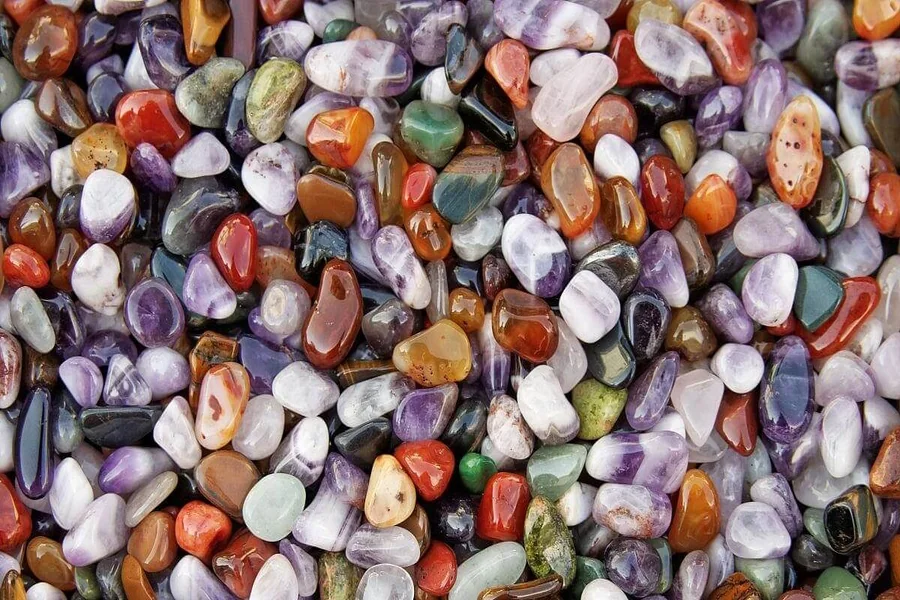
One of the common hobbies among the collectors, children and craft lovers is polishing rocks. Although specialized devices like rock tumblers are able to give high quality results, most individuals seek easy ways that they can attempt at home. One creative and inexpensive option is learning How to Polish Rocks With Toothpaste. This technique involves utilization of common materials to enhance the lustre and smoothness of little stones.
Toothpaste has small abrasive particles that are mild and clean and polish surfaces. The same abrasives will be gentle on some of the rocks, particularly smooth stones that are found on the riverbeds or beaches. Although this will not give the same finish as a professional equipment, it will at least be able to make the stones look cleaner and a bit shiny.
Understanding How to Polish Rocks With Toothpaste involves preparing the stones properly, using the right technique, and knowing which types of rocks respond best to this simple polishing method.
Why Toothpaste Can Polish Rocks
Toothpaste has the ability to act as a polishing agent as it has an extremely fine abrasive substance. These little particles assist in removing the stains and plaque on the tooth, and they are able to even out little flaws on some surfaces.
Toothpaste has the same effect on rocks as a mild polishing substance. The abrasive particles will contribute to the deletion of tiny scratches, and dullness on the surface as the stone is rubbed using a cloth or a brush.
Silica based abrasives that are safe and mild at polishing are used in most normal white toothpaste. Nonetheless, these particles are generally absent with gel based toothpaste, and it might not be as effective.
This method is most appropriate in stones with rather smooth sides. River rocks and beach pebbles would be a good choice since the flowing natural waters have already smoothed them and formed them to their current shape.
Although the technique will not be able to turn rough rocks into well-polished gemstones, it will be able to make a lot of stones look important with minimum effort.
Choosing the Right Rocks for Polishing
Not all stones will be responding to this approach. Understanding which rocks work best is an important part of learning How to Polish Rocks With Toothpaste.
The most common pebbles to work on are smooth pebbles that are collected in rivers or beaches. Water and sand have already formed these stones, and hence, they do not need much effort to smooth the surface.
Agate or jasper can also be subjected to gentle polishing since they are hard and durable enough to respond well to the quartz based rocks.
Rough or porous rocks can be extremely rough and thus the outcomes might not be noticeable since toothpaste is unable to eliminate significant flaws or deep cuts.
Soft minerals like limestone or chalk are to be avoided too since they may wear out and not polish.
The choice of stones will enhance the possibility of having a brighter and smoother surface.
Preparing the Rocks Before Polishing
The rocks are to be cleaned before they are loaded with toothpaste. The stone may get scratched by the dirt, sand and debris, unless these substances are removed off the surface during polishing.
The initial process is the rinsing of the rocks in warm water. A brush can be soft and used to take the soil that is sometimes lodged in crevices or small cracks.
Once the stones have been cleaned, it should be dried using a soft cloth. This enables the polishing compound to attach well on the surface.
Checking the stones at this point would also assist in making decisions on the spots that could be improved by further polishing.
Preparation is also significant since it makes sure the polishing procedure is effective and it does not produce new marks.
Step by Step Polishing Method
The basic process for How to Polish Rocks With Toothpaste is simple and requires only a few household items.
Begin with a little plain white toothpaste, to a soft cloth or toothbrush. The material to be used is a cloth that is slightly wet in order to spread the polishing compound evenly.
The toothpaste should then be applied to the surface of the rock by rubbing it in circles. This action is used to spread the abrasive particles all over the stone.
Keep polishing and few minutes, watch out in those areas that look dull or scratched.
Once polished, rinse the rock with warm water to loosen up the toothpaste that is left behind. Wipe the stone using a clean cloth to bring out the better shine.
The process can as well be repeated two or more times to get improved results in case of need.
Additional Tips for Better Results
This technique is easy but with the assistance of some methods, the final outlook of the stones can be enhanced.
It is possible to use a microfiber cloth rather than a rough cloth to produce a more polished look. Microlocking abrasive particles and dispersing them uniformly are done through microfiber materials.
Slow working and gentle pressure of the work help to avoid unneeded scratches.
The repetition of the polishing process can help to polish the stone gradually.
Others even complete the task by polishing the rock using a dry cloth. This measure contributes to the increase of the natural shine of the polished surface.
Patience is necessary since weak abrasives take time before they lead to visible outcomes.
Limitations of the Toothpaste Method
While learning How to Polish Rocks With Toothpaste can be fun and accessible, it is important to understand its limitations.
The process of polishing professional rocks may take several steps combined with special abrasives and polishing compounds. They can make the toothpaste look glossy and mirror-like as these methods are capable of doing.
Polishing teethpaste is much better when dealing with light cleaning, as well as gentle surface enhancement, rather than complete stone refinement.
Eroded rocks which are rough and have sharp edges normally need grinding or sanding before they can be polished.
Although these constraints exist, toothpaste polishing can still be an effective method to use by beginners or those who simply wish to have a simple method of enhancing the look of stones that have been collected.
Final Thought
Learning How to Polish Rocks With Toothpaste offers a simple and creative way to improve the appearance of small stones using materials found in most homes. Although not able to substitute professional polishing techniques, it is capable of yielding satisfactory outcomes on smooth pebbles and ornamental rocks.
It is simple to learn and all that is needed to do it is some basic equipment of toothpaste, a soft cloth and water. By waiting and soft polishing, a good good many stones may be brought to shine and smoothness.
The technique is an excellent introduction to stone polishing, especially to beginners of rock collecting or crafts. It also illustrates that even the common household objects can show the beauty of nature rocks that is concealed.
FAQs
How to Polish Rocks With Toothpaste?
Apply a small amount of regular toothpaste to a soft cloth and rub the rock gently in circular motions before rinsing and drying.
Does toothpaste really polish rocks?
Yes toothpaste contains mild abrasives that can help smooth and brighten certain rocks with already smooth surfaces.
What type of toothpaste works best?
Regular white toothpaste with mild abrasives works best because gel toothpaste usually lacks polishing particles.
Can rough rocks be polished with toothpaste?
Very rough rocks usually require sanding or grinding first because toothpaste alone cannot remove deep scratches.
How long should you polish a rock with toothpaste?
Polishing typically takes several minutes of gentle rubbing and may be repeated multiple times for better results.
Which rocks polish best with toothpaste?
Smooth river rocks, quartz pebbles, agate, and jasper often respond well to gentle polishing with toothpaste.