
Desert Raw Rocks and Minerals Found in Arizona Guide
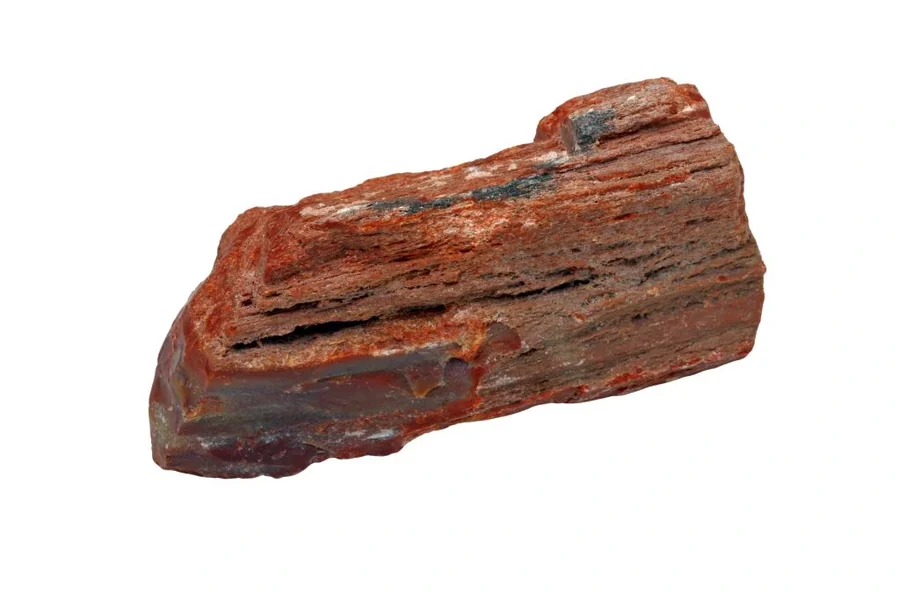
Desert Raw Rocks and Minerals Found in Arizona are drawing attractions to rockhounds, hikers and mineral collectors all around the world. Arizona boasts of rugged desert scenery, mountain ranges as well as old mining areas. The terrain under these sceneries is an amazing mass of uncooked minerals and rocks that established through the action of volcanic eruptions, geological processes and mineral dense hydrothermal systems over a period of millions of years.
Deserts of Arizona have copper minerals, colorful agates, quartz crystals, and all kinds of other stones which are buried in rocky outcrops, dry washes, and desert plains. Due to the dry climate and the slow rate of erosion, a variety of raw minerals are very well preserved and can be easily identified on the surface, unlike the wet weather conditions.
After it rains down or after a windstorm, collectors tend to look in the desert floor to find stones that were covered by sand and gravel earlier. Knowledge of the kinds of rocks and minerals that are found in the area assists amateurs in knowing the valuable or interesting specimens.
This guide will discuss some desert minerals that can be found frequently in Arizona and how they were formed.
Quartz Crystals in the Arizona Desert
One of the most popular minerals in the desert parts of Arizona is quartz. The mineral is a result of the cooling and crystallization of silica rich fluids in cracks of rocks. These fluids overtime form layers of silicon dioxide which form crystal structures under time.
Quartz is found in most desert sites either as rough masses of crystal in the surface of rocks or isolated crystals in gravel beds. Certain specimens are even transparent whereas others can be milky or cloudy according to the impurities trapped in the process of formation.
The quartz crystals normally occur around the volcanic rock formations and mineral veins where the hot fluids used to flow underground before. These conditions enabled the growth of quartz at a slow rate when the mineral solutions cooled down.
Quartz is treasured by collectors due to its long durability and shape of crystals. Raw specimens even show well formed points and naturally occurring geometric patterns.
In some places in Arizona, quartz could also be found together with other mineral combinations like calcite, pyrite or copper minerals.
Copper Minerals: Malachite and Azurite
History Arizona has a long history of copper mining and this history can be traced in the minerals that can be found in all corners of the desert in Arizona. Malachite and azurite are two of the most well-known copper minerals.
Malachite is also known to have bright green color and banded patterns. It is made as a result of the reaction between copper deposits, carbon dioxide and water in the atmosphere of the earth. In the desert areas malachite can be found as either green crust or big globules on the rocks.
Another mineral of copper is called azurite and is deep blue. It occurs, like malachite, in oxidized areas of copper deposits. At times azurite and malachite coexist in a specimen producing beautiful effects of the blue and green.
The minerals are commonly found in regions where there were old copper mines where mineral veins are naturally exposed to weathering. Small fragments of malachite or azurite are visually striking even when they are only small due to their bright colors.
These minerals are commonly found in the old mining fields by the collectors due to the fact they give us an insight into the rich geological history of the region.
Agates and Jasper in Desert Gravel
Among the various colorful stones that occur in the desert areas in Arizona, there are agates and jasper. They both fall into the chalcedony family of quartz that is microcrystalline.
Agate frequently has striations of color that were meant to be layers of silica as deposited within the volcanic rocks. These layers became hardened with time and formed complex patterns which one can see when the stone is cut off or polished.
Jasper resembles agate only that it is often opaque and can have solid colors like red, brown, yellow, or green. The colors are as a result of mineral impurities such as iron that is trapped in the stone.
Agate and jasper are also common in desert areas in dry washes or gravel beds, or in eroded volcanic features. The surface of stones can also be smoothed out through the flow of water in seasonal streams by polishing.
Agate and jasper are particularly well favored by rock collectors and lapidary artists since they all feature distinct patterns and colors.
Desert Volcanic Rocks
Arizona desert landscape consists of many sections that have volcanic rocks formed due to lava flows that took place millions of years ago. These rocks give evidence on the volcanic history of the area.
One of the most prevalent volcanic rocks in the deserts is basalt. It is created in the event of lava cooling fast on the Earth, which results in stratum of dense dark rock having fine grain texture.
Obsidian is also a natural volcanic glass and this may occur in some places. This is a rock that is formed when lava solidifies at a very high rate and crystals are not formed. When fractured, Obsidian is usually black and shiny and has sharp edges.
Rhyolite is another type of volcanic rock that is occasionally found in the desert environment. Rhyolite is generally lighter in color, unlike basalt and may even have crystal minerals visible.
These volcanic rocks form spectacular scenery and offer places through which other minerals like quartz and agates can be formed.
Fossils and Sedimentary Minerals
Arizona is famous with volcanic and copper minerals, but there is another type of rocks in the desert, which are the sedimentary rocks that offer the fossils of the ancient ones.
Long ago millions of years ago sections of the region were covered by shallow lakes and seas. In the course of time the layers of sediments were created, which captured the remnants of the marine life and plants.
These fossils are occasionally found through limestone or sandstone deposits that are found all over deserts.
The calcite crystals could also grow in the sedimentary environment whereby the calcium carbonate is deposited in the rock cavities by mineral rich water.
Although fossils are not mineral in nature, they are commonly stored together with mineral specimens due to the facts they provide regarding the past environment.
Tips for Identifying Desert Minerals
Determining desert rocks and minerals is something that needs to be thorough. The initial hint is usually the color, particularly with such minerals as malachite and azurite that have a bright green or blue color.
Useful information is also presented in the texture. Quartz crystals tend to be glassy on the surface and pointed in shape whereas the volcanic rocks can be rough and porous.
The tests of hardness may be used to identify the type of mineral. Quartz is relatively hard and can scratch glass whereas softer minerals such as calcite can easily scratch.
Identification may also be obtained by looking at surrounding environment. The type of minerals present in the area of volcanoes could be different as compared to those that are present in sediment rock formations.
Collector Field guides and magnifying glasses are often utilized to have a closer look at the details of stones.
These techniques can be practiced to make them easier to identify minerals in deserts.
Final Thought
The book Desert Raw Rocks and Minerals Found in Arizona shows that the geological diversity that is secreted by the arid landscapes of the state is unbelievable. Starting with copper minerals such as malachite and azurite, there are a great many various kinds of natural riches in the desert when it comes to colorful agates and quartz crystals.
These rocks were formed due to volcano eruptions, mineral abundant hydrothermal activity and sedimentary deposits that took millions of years. These minerals are still revealed in the desert plains and the rocky hillsides and dry washes today by erosion and weathering.
To the collector and the outdoor lover, Arizona has a brilliant tourist experience as one gets a chance to experience raw mineral specimen and understand the geological forces that fashioned the region
FAQs
What minerals are commonly found in the Arizona desert?
Common minerals include quartz, malachite, azurite, agate, jasper, and various volcanic rocks.
Why does Arizona have many copper minerals?
Arizona contains large copper deposits formed by hydrothermal processes, which create minerals such as malachite and azurite.
Can you find quartz crystals in the Arizona desert?
Yes. Quartz crystals are often found in volcanic rock formations and mineral veins throughout the desert.
Where are agates commonly found in Arizona?
Agates often appear in desert gravel beds, dry washes, and volcanic rock areas where erosion exposes them.
Is rock collecting allowed in Arizona deserts?
Rock collecting is allowed in many public lands, but certain areas such as national parks and protected sites may restrict collecting.