
Cool Types of Rocks That Make Earth’s Geology Fascinating
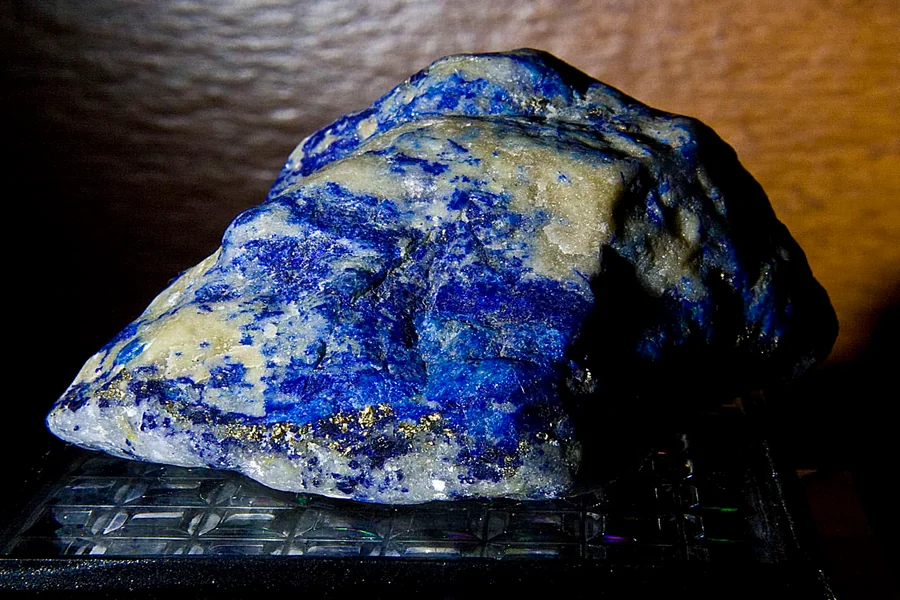
Cool Types of Rocks are something that attract the interest of geologists, collectors, and other people who are interested in the natural world. Rocks may not appear to be extraordinary or even special at first sight but most of them have amazing patterns, colors, textures, and shapes that render them anything but boring. The crystals that are found in some of them make them shine, others have fossils that are very old and some even appear like they are on a different planet.
These rare stones are formed with the help of the extended set of geological processes. Others grow deep in the ground where the molten magma cools gradually. Others are created by layers of sediment that have been compacted during millions of years. Some of these rocks can even change to a different one when placed under high levels of heat and pressure within the earth.
Due to such natural activities, our earth is composed of innumerable types of rock each having a story to tell. This paper will also discuss some of the most interesting types of rocks, their formation, and why they still attract the attention of scientists and collectors worldwide.
Obsidian: Nature’s Volcanic Glass
Obsidian is a rock among others that can be seen on earth and it is very beautiful. In comparison with most other rocks, the texture of obsidian resembles that of glass since it is formed when the lava cools down very fast. Very fast cooling does not allow crystals to form and the result is smooth volcanic glass.
Obsidian is very likely to be in deep black, although there are other forms. Others include rainbow reflections of shimmering colors, and others have patterns of snowflakes brought about by the trapping of mineral crystals at the interiors of the glass.
The breaking of obsidian is one of the most marvelous attributes of this rock. Fractured it cuts very sharp edges. Scalpels, arrowheads, and knives made of obsidian were the cutting tools, arrowheads and knives were used in ancient civilization when metal tools were not yet widespread.
Obsidian has been extensively employed today in decorative stones, jewelry and carvings. Its dark color and glossy surface make it look dramatic and this is why it is the favorite of the rock collectors.
Geodes: Rocks with Hidden Crystal Worlds
Geodes are some of the most interesting rocks since they are beautiful on the inside. What they appear to be on the surface is a mere rock, but the moment they are broken open, the interior is lined with shiners of crystals.
The geodes are created when a hollow area is created within rock. Gradually the water, rich in minerals, enters the cavity and leaves the crystals on the inner walls. These are slow growing crystals in which minerals keep on increasing.
Quartz is a mineral that is very common in geodes, although it can be replaced by amethyst, calcite, and celestite that are also common. Other geodes become so large that they have huge formation of crystals.
It is particularly interesting to contrast the rough exterior with the gleaming interior of the geodes. Most of the collectors love to crack open geodes since they can find a different pattern of the crystal inside.
These concealed crystal chambers teaches us of this fact, that some of the loveliest natural objects grow in locations under the surface of the earth.
Agate: Colorful Patterns in Stone
Agate is also known because of elaborate banded designs and bright colors. This is a beautiful chalcedony (a microcrystalline structure of quartz) family of stone.
Agate occurs inside volcanic rocks in which mineral-bearing water gradually creates layers of silica in the caves. The layers form colorful bands as they accumulate which can be seen when the stone is cut and polished.
The designs within agate may change significantly. Others present bands of smooth curves, whereas others present lace-like shapes or curvy motifs. The agate colors are natural and they contain gray, brown, red and white.
Due to its vivid look agate has been employed in jewelry and decorative items thousands of years ago. It was not only attractive, but also durable as was appreciated by many cultures.
Every agate stone has a distinct pattern formed by the natural geological processes and since they are not different, each agate stone is different than the others.
Petrified Wood: Ancient Trees Turned to Stone
Petrified wood is among the most interesting events of fossilized rock. It is started as simple wood of ancient trees which existed millions of years ago.
As these trees are washed away and covered by sediment, mineral-rich water may be leaked into the wood structure. The organic matter gradually decays with time and in its place the mineral substitutes the cell of the plant.
This is permineralization which eventually turns the wood into stone and still maintains the internal structure. The fossil that is formed still retains tree rings and patterns of the grain though it is now rock.
Petrified wood usually presents beautiful colors basing on the minerals. Iron may be used to develop a red or orange shade whereas other minerals may be used to give a yellow, purple, or black shade.
These ancient trees are a source of great information on ancient life and also on geologic history of the earth.
Fluorite: A Rock with Brilliant Colors
Fluorite is characterized by bright colors and see through crystal shapes. Even though, technically, it is a mineral and not a rock, fluorite frequently exists in groups that look like rocks.
Fluorite crystals may be available in the wide color variety such as purple, green, blue, yellow, and clear. There are even specimens which show many colors in a single crystal.
Fluorescence is one of the peculiarities of fluorite. When subjected to ultraviolet light some crystals of fluorite are luminous as they emanate beautiful colors.
The formation of fluorite takes place in hydrothermal conditions in mineral-bearing fluids flowing through cracks of the rock. The fluids cool down depositing fluorite crystals which increase in size with time.
Due to its palette of colors and crystal form fluorite is a mineral much admired by mineral collectors and commonly found in geological museums.
Basalt: The Rock of Volcanoes
One of the volcanic rocks which is common on earth is basalt. It is created when lava flows on the surface and cools down comparatively fast. The resulting rock is fine-grained, dark and dense.
Basalt can seem unsophisticated in comparison to colored gemstones but it is a significant part of our earth. Mid-ocean ridges create much of the ocean bottom as basalt which is a result of volcanoes.
Basalt in certain locations solidifies in jewel-like geometric patterns called columnar joints. These structures form sharp peaks in the form of hexagonal columns resembling natural pillars of stone.
Well-known scenery like the Giant’s Causeway in Northern Ireland or Devil’s Postpile in California includes steep basalt columns that were created due to the solidification of lava.
With these formations, it is evident that even ordinary rocks can have incredible natural formations.
Final Thought
Cool Types of Rocks helps us to remember that the Earth is abundant with amazing natural wonders that have been formed under the influence of geological forces during millions of years. Rocks show us a concealed world of patterns and the past under our feet, of sparkling geodes and colorful agates, volcanic glass, and fossilized trees.
The various types of rocks are formed under a different process like eruption of a volcano, deposition of minerals, compression of sediment, or fossilization. The ordinary materials are used to produce the extraordinary natural structures through these processes that scientists and collectors still study and marvel at.
It may be that one is a collector of gemstones or a geologist, or just a lover of facts about the world; in any case, these interesting stones serve as a reminder of how different and creative nature can be. Even the most basic rock can narrate a history of what happened to the Earth and how it was made.
FAQs
What are some cool types of rocks found in nature?
Some interesting rocks include obsidian, agate, geodes, petrified wood, basalt, and colorful mineral formations such as fluorite.
Why do some rocks have crystals inside them?
Crystals form when mineral-rich fluids deposit minerals into cavities or cracks in rocks over long periods of time.
Are all rocks made the same way?
No. Rocks form through different processes including volcanic activity, sediment accumulation, and transformation caused by heat and pressure.
What makes a rock unique or interesting?
Unusual colors, crystal formations, fossils, and patterns often make certain rocks more visually striking or scientifically important.
Can rocks change over time?
Yes. Rocks can transform into different types through geological processes such as weathering, heat, pressure, and chemical reactions.