
Blue Slag – What It Is, How It Forms, and Its Value
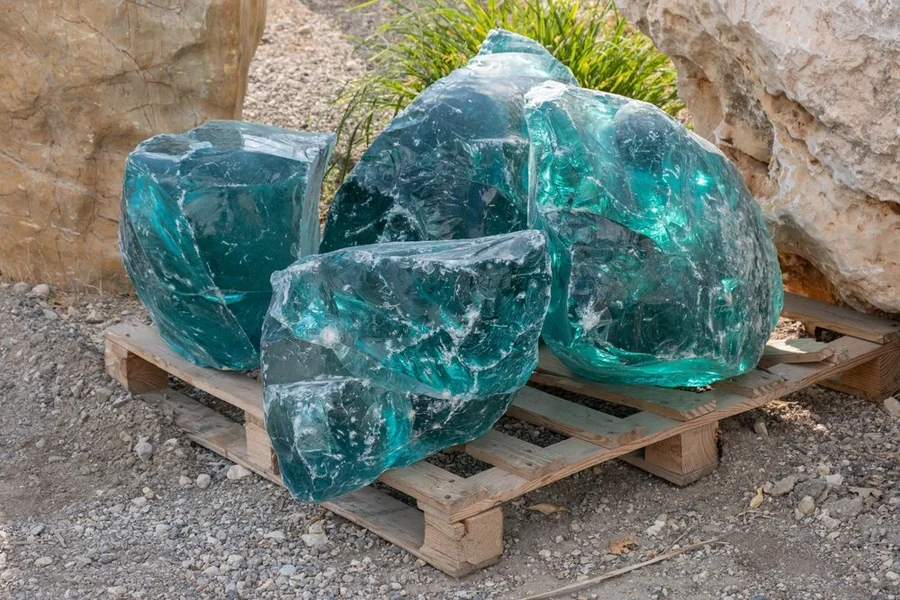
The blue slag is an interesting material, which usually draws the attention of a rock collector and mineral lovers. It might seem to look at first like natural gemstones or even volcanic glass due to its blue splendid hues and a glass-like feel. Blue slag is however not a naturally occurring mineral. Rather, it is a by-product that comes as part and parcel of the industrial smelting of metals.
As the ores which contain metals, e.g. copper or iron, are heated to very high temperatures, the undesirable impurities are separated off the hot molten material. These impurities mix with the other elements to produce molten waste product referred to as slag. As the slag solidifies cooling down it may be allowed to form colorful glass-like fragments. The cooling process in certain situations creates very vivid blue tints hence the name blue slag.
Even though, it started as industrial waste, blue slag has become popular among the collectors due to their color which is bright as well as its special appearance. Certain works are shaped like a shiny stone or glass jewelry. Due to this it is occasionally gathered to be used in the decorations or in other artistic projects.
The formation of blue slag and its appearance can be clear on why people are attracted to it. This article will discuss the origins of blue slag, properties of blue slag and their difference with the natural minerals.
What Is Blue Slag?
Blue slag: This is a liquid glass-like substance that is formed during the smelting of metal ores. Smelting is the process of heating the ore at extremely high temperatures to obtain precious metals like copper, iron or lead. In the process impurities are separated off the molten metal and create a molten layer known as slag.
This slag has different compounds such as silica, metal oxides, and other minerals which were found in the original ore. The slag that is quickly cooled will solidify in the form of glass.
The trace elements in the slag mixture tend to give it a blue color when some of the slags appear. When the material cools, copper compounds and other metal oxides have the potential of producing blue or turquoise.
Slag is not found naturally in geological or other natural settings, and therefore has a different crystal structure as natural minerals.
But its glossy feel and colorful nature frequently lead to similarity with some of the natural stones.
How Blue Slag Forms During Smelting
The process of extracting metals through high temperature process to form blue slag takes place. The ore is heated in a smelting furnace together with other materials like limestone or silica. These additives assist in the separation of the metal and the undesired impurities.
When the mixture melts, the valuable metal will sink at the bottom of the furnace due to its density. The impurities are suspended on the surface in the form of molten slag.
After the metal has been taken off, the slag is emptied off the furnace. As the molten material cools down it forms irregular glassy fragments.
Air bubbles may be trapped during the cooling process and produce special shapes in the solidified slag.
The material formed after the slag cooling is blue, green, black or other colors depending on the chemical composition of the slag and the circumstances surrounding the cooling process.
Moreover, blue slag is a product formed when some metal compounds interact during the cooling process and develop blue colored glass.
Appearance and Physical Characteristics
The appearance of blue slag is one of the reasons why it is so attractive. The material usually has a shade of bright blue, turquoise or deep teal that is like gemstones.
The material cooled rapidly and formed no crystals, and so the surface tends to be smooth and to have a glass-like appearance.
Numerous works are full of tiny bubbles in the air that are embedded in the glass. Such bubbles may produce some interesting pattern or texture to the material.
The edges of pieces of slag can be sharp or jagged depending on how the molten material fractured as it solidified.
Layered colors or swirling patterns due to a difference in temperature and chemical composition during the cooling process are also present in some pieces.
All the pieces of blue slag are visualized by these features.
Blue Slag vs Natural Blue Minerals
Due to its color and glassy look, blue slag is occasionally confused with natural minerals or gemstones. Nevertheless, there are some differences in using slag and natural stones.
Natural minerals normally make crystals that have arranged internal structures that are formed during geological processes over a span of time. The reason why blue slag does not have this crystal structure is due to the fact that the material hardened very fast.
The other distinction is the air bubbles. Round bubbles are not common in natural gemstones, but bubbles may be trapped by slag in the course of cooling.
The form of the substance may give leads, too. Natural minerals are normally found in rock structures whereas pieces of slag are normally irregular and have glassy surfaces.
Knowledge of such differences enables the collector to tell the difference between natural minerals and industrial products.
Why Collectors Are Interested in Blue Slag
Blue slag is actually industrial waste, but has gained popularity as a hobby item and as a collectors item. They are appealing to the eyes, as well as the coloring and the texture used.
Other pieces of industrial history are admired by some collectors as slag. In the areas that have historic smelting processes, there are slag deposits that remind people of their mining activities.
Blue slag is used in some decorative work by artists and crafters in decorative work (mosaic, garden or jewelry).
The shapes and colors may be very different as each work is shaped differently during cooling.
To the collector of the weird stuff blue slag is a combination of industry and beauty.
Where Blue Slag Is Commonly Found
Blue slag is prevalent in the areas around old smelting locations and old mines. In the nineteenth and early twentieth centuries numerous metal smelting activities resulted in the generation of slag in large quantities.
Such materials were usually discarded close to the factories or they were used as fillers on roads and building contracts.
At certain places there are piles of slag which were formerly the site of smelting. With time, the colorful fragments can be revealed to the collectors by weathering and erosion.
Areas with heavy copper smelting are particularly prone to the formation of blue slag since copper compounds have the potential to impart the blue color.
Occasionally, collectors go to these places in hope of discovering works of especially bright colour or strange form.
Final Thought
The Blue Slag is an interesting piece of material that is both linked to industrial history and is also simultaneously a piece of art. In spite of being not a natural mineral, the circumstances surrounding its formation make it rather vibrant in color as well as glass-like composition which are highly attractive to collectors and hobbyists.
The material is a by-product of smelting metal impurities that are melted and then solidified into glassy pieces. Trace elements in the slag are capable of creating color tints of blue that render the material look like gemstones.
Although not similar to the natural minerals in composition and structure, blue slag is a very good memory of the industrial processes which influenced most mining areas.
To any collector of rare materials, it is a colored historical fragment in the form of glass.
FAQs
What is blue slag?
Blue slag is a glass-like byproduct formed during metal smelting when impurities separate from molten metal and cool into solid fragments.
Why is some slag blue?
The blue color usually results from copper compounds or other metal oxides present in the molten mixture during cooling.
Is blue slag a natural mineral?
No. Blue slag is an industrial byproduct and does not form through natural geological processes.
Can blue slag look like gemstones?
Yes. Its bright colors and glassy surface can resemble certain natural gemstones or volcanic glass.
Where can blue slag be found?
Blue slag is often found near historic smelting sites, mining areas, or places where industrial slag was dumped.