
How to Identify Unopened Geodes – Tips, Clues, and Techniques
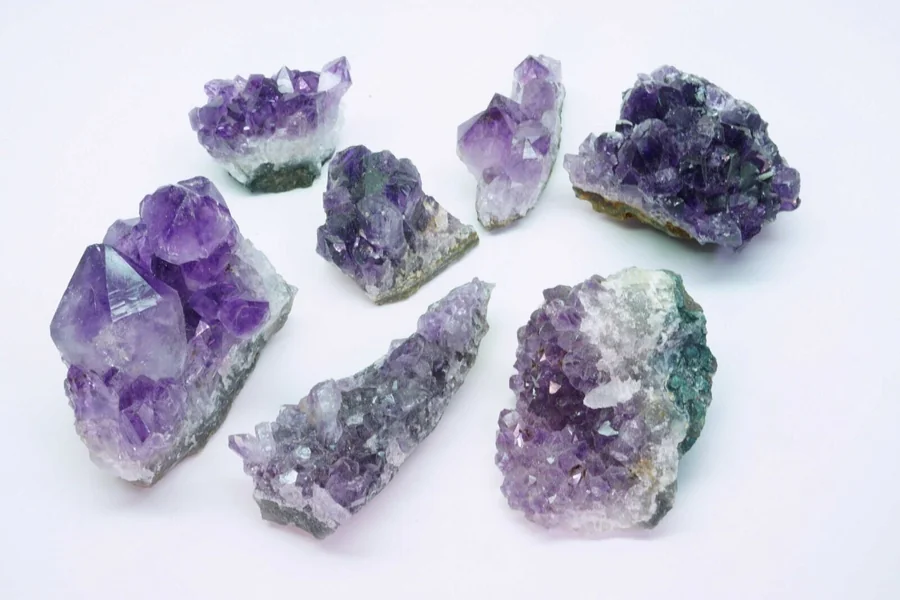
How to Identify Unopened Geodes is a craft that is desired by many rockhounds and lovers of gemstones. Unopened geodes are rocks, which have crystals, mineral structures within their interior, however, their internal structure is concealed behind a simple outer layer. Knowing how to detect geodes that have not been opened also enables the collectors and hobbyists to choose rocks that might have a crystal formation without necessarily breaking all the stones that might not have. To know how to find Unopened Geodes, you need to observe the characteristics such as shape, weight, texture, sound and use simple tools so that you have a better chance of finding good quality geodes.
Geodes may include quartz, amethyst, calcite or other mineral crystals and unopened geodes are sometimes the best as their natural wonder is maintained within. A lot of the collectors like the expectation of breaking open a geode to see glittering crystals. Understanding how to determine which geodes are not opened before will help you get the most geodes in your collection, and will make sure that you pick out the real crystallized rocks and not dull ones.
Understanding Geode Formation
Geodes develop in volcanic or sedimentary rocks where there are hollow portions where minerals crystallize as time goes on. The determination of how to spot unopened geodes begins with the formation of geodes. Lava flows have gas bubbles, limestone has cavities or pockets, or sedimentary rocks may have pockets, all of which have minerals which may accumulate gradually to form crystals.
The surface of geodes tends to be coarse with less colour than the crystals within. This is a thin exterior that hides the riches inside and thus observation skills are very important. The examination of geological environments and common structures allows collectors to be more accurate in estimating the locations of geodes and which rocks might hold valuable crystals.
Shape and Surface Indicators
One of the initial hints in the process of discovering how to find unopened geodes would be shape. Majority of geodes are oval or rounded or slightly irregular. They tend to look like normal rocks but on the outside, they are more uniform or symmetrical in their appearance in comparison to other rocks.
A hint can also be taken by the surface texture of a geode. Geodes tend to be coarse, rough, or knobular and can have crusty, or tiny pits. Geodes in contrast to smooth river rocks tend to be slightly eroded on their surface thus resistant to erosion. These are some of the fine details on the surface that can be observed to identify unopened geodes and normal rocks in the field.
Other clues can be provided by color. The outer shell is normally dull but a few geodes are mineral stained or slightly colored like white, grey or brown which can be a sign of quartz or other mineral presence within it. By noting these surface features, you are likely to identify geodes that have not been opened pretty well.
Weight and Density Clues
Another crucial aspect to be noted when studying how to detect unopened geodes is weight. A hollow cavity is usually found inside a geode which makes it lighter than a solid rock of the same size. Taking a rock and evaluating the possibility of it being lighter than it is supposed to be can be an indication of a geode.
Hints may also be created by density differences. Excessively heavy rocks in comparison with their size are not likely to be hollow geodes, whereas rocks which have a strange lightness could contain crystals within them. Cautious handling and comparison of similar sized specimens also aid the collectors to create the feeling of what stones are likely to be fruitful.
Sound and Tapping Techniques
Another ancient technique of determining unopened geodes involves tapping. Aggressive banging of a rock using a hard substance might yield sound indications. Hollow geodes are often more or less hollow sounding, and hard rocks dull.
Other collectors employ small hammers or metal objects to strike on rocks and listen to the slightest changes in sound. By applying this method together with weight evaluation, it is possible to raise the level of trust in revealing unopened geodes without splitting the rock too early. It is a matter of practice and a keen ear to notice slight variations of hollow and solid stones.
Field Tips for Identifying Geodes
When learning how to locate geodes which have not been opened then location is important. Geodes usually occur in locations that have the volcanic or sedimentary rock like the deserts, the riverbeds, and selected portions of limestone. The familiarity with the local geology also increases your chances of geodes which are still unopened.
Can search for small piles of round or knobby rocks to simplify the search. Very frequently, the geodes can be located in association with the other mineral bearing rocks and thus, the environment around them will give more evidence. A small brush used to remove dirt on the rocks and a field guide to the local formations can be used to help with identification further.
When studying rocks in the field, one needs to be patient, and keen. When dealing with stones, it is better to handle them carefully and examine several of their characteristics including shape, texture, weight and color to help in picking the actual unopened geodes. Sophisticated collectors usually use a mixture of these minor signs to make authoritative choices.
Final Thought
The art of finding unopened geodes is a practice that involves the observation, experience, and geologic knowledge. Collectors stand a better chance finding crystals within rocks since shape, surface texture, color, weight, and sound influence its location. The unopened geodes give the thrill of unknown treasure and often hold breathtaking quartz, amethyst or other mineral structures. Studying to spot unopened geodes maximizes your rockhounding experience as well as aids in the development of a valuable and unique collection of crystals to be enjoyed or displayed.
FAQs
What is an unopened geode?
An unopened geode is a rock that contains crystals inside but has not been broken open to reveal them
How can I tell if a rock is a geode without opening it?
Look at its shape, surface texture, color variations, weight, and tap it gently to listen for hollow sounds
Where are geodes commonly found?
Geodes are often found in volcanic areas, riverbeds, deserts, and regions with sedimentary rocks such as limestone
Do all geodes contain crystals?
Most geodes contain some mineral formations, but the size and quality of crystals can vary
Can tapping really help identify unopened geodes?
Yes, tapping a rock can produce a hollow sound if it contains a cavity, helping distinguish it from solid stones
What minerals are typically inside geodes?
Common minerals inside geodes include quartz, amethyst, calcite, and occasionally rare minerals depending on location
Are unopened geodes valuable?
The value depends on size, crystal quality, and mineral type; geodes with large or rare crystals are often more valuable