
Why Taoist Funeral Planning Needs Early Decisions
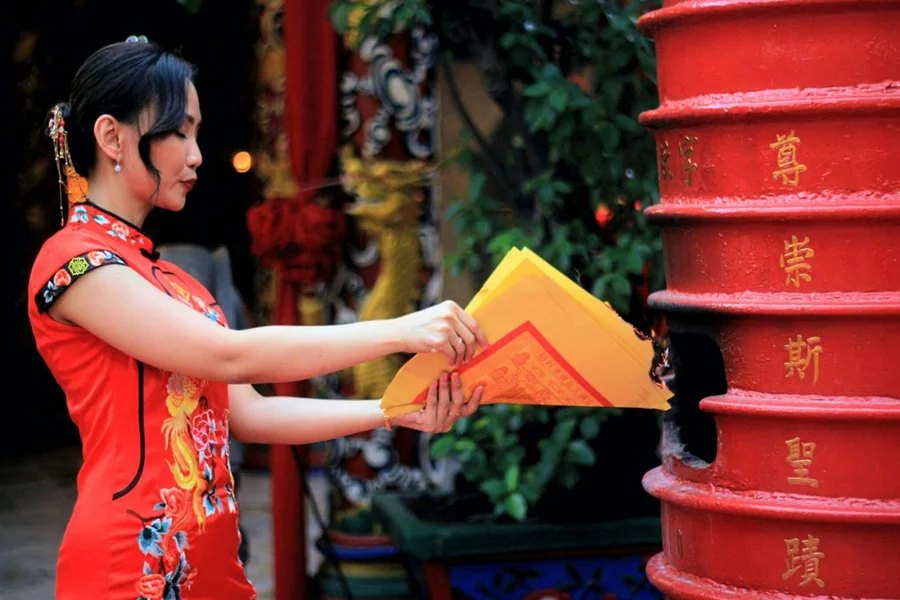
Taoist funerals can involve a combination of family tradition, religious rites and practical arrangements that are difficult to separate once planning begins. The challenge is not simply choosing ceremonial items. It is deciding which customs the family intends to observe and making sure the funeral schedule allows those customs to be carried out properly.
A taoist funeral package can provide a useful framework, but families should first clarify their own expectations around rites, wake duration and religious guidance. Taoist practices can vary, so a package should support the family’s chosen tradition rather than becoming a substitute for deciding what that tradition actually requires.
Start With Family Practice
Families sometimes assume that a Taoist funeral has one fixed format.
In reality, practices can differ according to family background, dialect group, temple tradition and the religious personnel involved.
Older relatives may also remember customs that younger family members know only vaguely.
This creates a practical risk: decisions are made from memory, then changed after another relative arrives with different expectations.
Before confirming arrangements, identify the family members whose knowledge or preferences will guide the funeral.
Confirm The Religious Rites
Religious rites affect the schedule.
If chanting, offerings or specific ceremonies are planned, the timing of the wake needs to accommodate them. Families should therefore avoid treating religious components as decorations that can simply be added later.
A short planning list can help:
- which rites the family wants observed
- who will conduct them
- when they will take place
- which ceremonial items are needed
- what relatives are expected to do
This is not about reducing tradition to a checklist. It is about making sure everyone understands the sequence before the funeral begins.
Longer Is Not Always Better
Some families assume that a longer wake automatically shows greater respect.
The real answer is more complicated.
A longer wake gives relatives and friends more time to visit, but it also creates additional logistical demands. Family members may need to organise shifts, food, seating and overnight arrangements.
The better decision is to choose a duration that fits both religious requirements and the family’s ability to manage the wake.
Respect comes from carrying out the chosen rites properly, not simply adding another day.
Avoid Ceremonial Overload
Funeral packages can contain many ceremonial items, and families may feel uncomfortable removing any of them.
That reaction is understandable. During grief, declining something can feel like declining respect.
But more items do not automatically create a more meaningful funeral.
Ask which elements are required for the rites the family intends to observe and which are optional. This distinction can prevent decisions from being driven by anxiety rather than tradition.
A smaller number of properly understood elements may carry more meaning than a larger collection no one in the family can explain.
Make Roles Clear
Taoist funerals may involve moments when family members are expected to gather, follow instructions or participate in a particular sequence.
Confusion often happens because relatives know a ceremony is taking place but do not know what they are supposed to do.
Assign one family contact who can communicate with the funeral team and religious personnel.
That person does not need to control every decision. Their role is to make sure instructions reach the family clearly.
This becomes especially important when many relatives are arriving at different times.
Protect Time For Mourning
Complex rituals can unintentionally turn the family into event managers.
Someone is constantly checking timings, calling relatives or asking what happens next. By the end of the wake, the people closest to the deceased may feel they spent more time coordinating than grieving.
The purpose of planning is to prevent that.
Once the key rites, schedule and responsibilities are settled, avoid reopening minor decisions unless something genuinely needs to change.
A Taoist funeral can carry deep meaning because ritual gives structure to loss. That structure works best when the family understands why each part is there and who is responsible for it. Clear planning does not weaken tradition. It gives the tradition room to be carried out without unnecessary confusion.