
Why Traditional Memorial Rites Overwhelm Modern Families and How to Rebalance Them
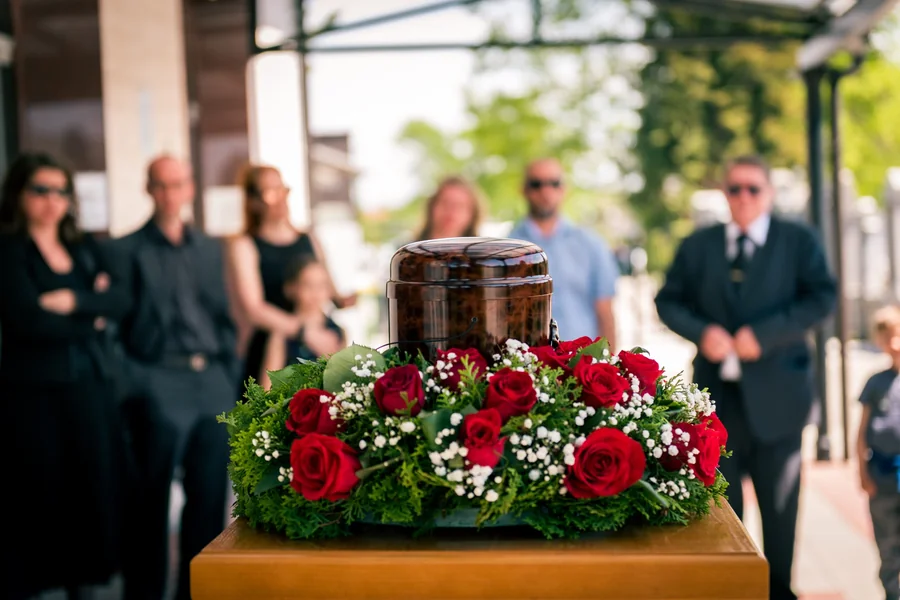
In 1974, social anthropologists studying family rituals noticed a remarkable shift in how urban communities process grief. When generational customs encounter high-density city planning, people tend to believe that following every historical rule to the letter will keep stress at bay. In reality, trying to fit complex traditions into tight urban spaces often creates administrative fatigue right when families need emotional stillness.
When coordinating a memorial in a high-rise environment, managing religious expectations alongside civic rules quickly becomes overwhelming. Engaging dedicated christian funeral services singapore provides a practical roadmap through these competing demands, ensuring that sacred traditions are honoured without overburdening grieving relatives with logistical friction.
The Trap of Endless Memorial Days
Most standard advice tells families that longer wakes are more respectful. The assumption is intuitive: stretching a vigil across four or five days gives everyone enough time to pay their respects and allows distant relatives to travel in comfort. But if you observe what actually happens inside a memorial hall on day four, the atmosphere rarely looks like peaceful reflection.
Instead, the immediate family ends up running an exhausting hospitality operation. Grieving relatives spend their days greeting casual acquaintances, arranging catering trays, and managing seating arrangements on broken sleep. Shortening the vigil to two or three focused days allows the family to remain emotionally present during the services, trading endless physical hosting for meaningful connection.
A Common Mistake in Evening Services
A frequent and costly mistake occurs during the evening memorial services. Because families want to give everyone a voice, they often leave the floor open for spontaneous tributes and eulogies. What starts as an earnest celebration of life frequently stretches past ten at night, leaving the family physically drained before the morning committal.
Unstructured services also risk straying into awkward pauses or emotional fatigue for attendees. Without clear boundaries, the solemnity of the service gives way to restlessness. Setting deliberate, agreed-upon parameters ahead of time protects both the dignity of the gathering and the family’s limited reserves of energy.
Applying the Energy Preservation Rule
To maintain reverence without exhausting the room, apply a structured decision rule to your service running order rather than leaving timings to chance:
- Limit formal spoken eulogies to three selected speakers with a strict five-minute guideline each.
- Schedule pastoral prayers and scripture reflections within a single forty-five-minute liturgical block.
- Establish a firm nine-thirty evening conclusion so elderly relatives and key family members can rest.
Applying this formula keeps the evening focused and deeply moving, ensuring that participants remain attentive to the message rather than watching the clock.
The Hidden Costs of Venue Tradeoffs
Choosing where to hold a wake presents a non-obvious trade-off that goes well beyond daily rental rates. Generic guides usually frame the choice between an estate void deck and a dedicated funeral parlour purely as a budget decision. In reality, the decision changes the entire social dynamic of the farewell.
A ground-floor estate venue offers unmatched walk-in accessibility for elderly neighbours and community acquaintances who might not travel across the city. However, it exposes the gathering to tropical humidity, public foot traffic, and strict ten-o-clock noise regulations. A private parlour provides climate control and quiet privacy, but creates a geographical barrier for casual visitors. Choosing the right space requires evaluating who needs to be there rather than simply comparing venue price tags.
Managing Generational and Faith Differences
In modern multi-generational families, tensions often surface when relatives hold divergent personal beliefs. A Christian memorial service introduces specific theological elements—scripture readings, hymns, and sermons—that non-practising relatives may find unfamiliar or uncomfortable if not introduced with care.
The solution is proactive hospitality. Designate a supportive family liaison to walk extended relatives through the order of service before it begins. By explaining the symbolic purpose of each prayer and hymn, you remove anxiety and make non-believing family members feel welcomed rather than alienated.
At its core, a funeral service is not an administrative marathon or a display of endurance. It is a shared sanctuary created to comfort the living and honour a life well-lived. By adapting traditional customs to the realities of modern urban living, you strip away logistical chaos and preserve what truly matters: faith, community, and peace for those who remain.