
The Comeback Mistake That Can Turn A Small Sports Injury Into A Long Recovery
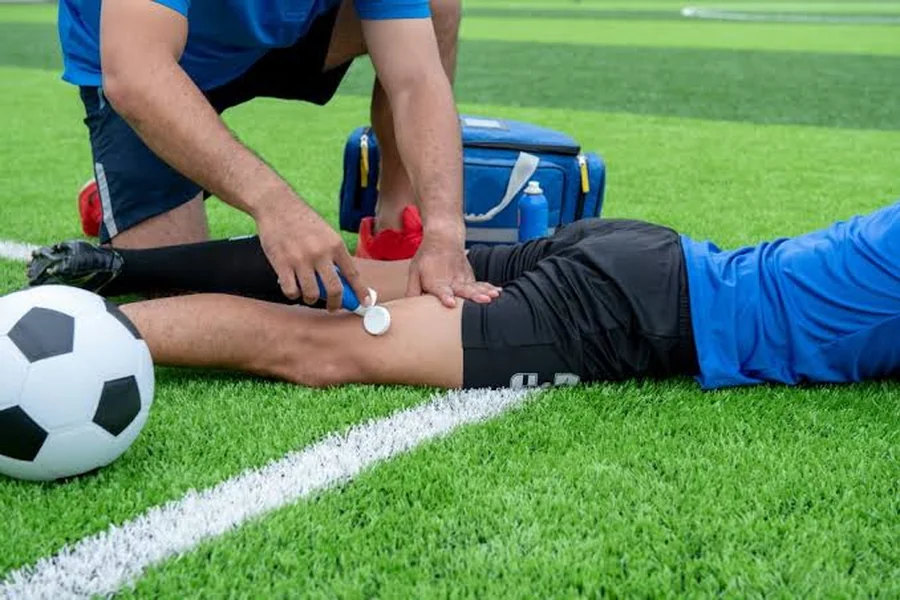
A sports injury rarely happens at a convenient moment. You might be halfway through a football match, chasing a shuttlecock across a badminton court or finishing the last kilometre of a run when something suddenly gives way. At first, the problem may seem manageable. You can still stand, perhaps even walk, and the next match is already marked on your calendar. The temptation to carry on can be surprisingly strong.
But returning to sport is not simply a matter of waiting until the pain disappears. If you are looking into a sports clinic in Singapore, it helps to understand how injuries are assessed, how recovery is measured and why the demands of your sport should shape your rehabilitation. The goal is not merely to get you moving again, but to prepare your body for the particular movements that caused trouble in the first place.
The Injury Behind The Moment
An injury has a dramatic moment and a less dramatic history. A runner may feel a sudden pull in the calf, but fatigue, a recent increase in training or inadequate recovery may have contributed to the problem. A footballer who twists a knee might damage a ligament, the meniscus or another structure. What feels like one familiar kind of pain can have several different causes.
This is why the circumstances matter. A clinician may ask what you were doing, whether the joint moved unexpectedly, when swelling appeared and whether you heard or felt a pop. These details help guide the examination and determine whether imaging is needed. Guessing from the sensation alone can send recovery in the wrong direction, particularly when a significant injury is mistaken for an ordinary strain.
Pain Is An Unreliable Scoreboard
Pain makes a useful warning signal, but it is a poor measure of complete recovery. Swelling can settle before strength returns. A sprained ankle may feel comfortable while walking on a flat pavement yet remain unstable when you land from a jump. The body can appear ready for ordinary life while still struggling with the sudden forces and changes of direction demanded by sport.
One common mistake is testing recovery by attempting the original activity at full intensity. Imagine a badminton player whose knee feels fine during everyday walking. On court, the first sudden lunge places a different demand on the joint, and discomfort returns. The problem was not necessarily that walking had been a bad idea; it was that walking had not tested the same movements.
A better approach is to measure progress against the demands of your sport. Strength, balance, joint movement and control all matter, alongside symptoms. Your clinician or physiotherapist can help determine which measures are relevant to the injury and when more demanding activity is appropriate.
Build Back In Stages
Rehabilitation is not a single bridge between injury and competition. It is a series of steps, each designed to prepare you for the next demand. Depending on the injury, that progression might begin with comfortable movement and basic strengthening, then advance to faster walking, jogging, jumping, cutting and sport-specific drills.
The order matters because each stage introduces a different challenge. Running in a straight line does not test the same control as stopping abruptly or changing direction under pressure. A basketball player, for instance, must eventually tolerate repeated jumps and landings, while a distance runner needs to manage repeated loading over a much longer period.
The aim is to increase demand without making a sudden jump from controlled rehabilitation to full competition. Progression should follow the response of the injured area and the advice of your care team, rather than the date of the next tournament.
Watch What Happens Afterwards
An activity may feel comfortable while you are doing it, only for swelling, stiffness or pain to appear later. That delayed response provides useful information. It can indicate that the load was greater than the injured tissue could comfortably manage at that stage, even if the session itself seemed successful.
A practical habit is to record what you did and how you felt both during the activity and afterwards. Note the duration, intensity and any change in symptoms later that day or the following morning. This is not a substitute for clinical advice, but it can help you and your rehabilitation team identify patterns instead of relying on vague impressions.
A useful rule is to increase one major demand at a time, such as duration, speed or intensity, when your rehabilitation plan allows it. If symptoms worsen or function declines, do not simply push through to prove your fitness. Reduce the demand as advised and seek guidance if the reaction persists or concerns you.
Know When To Get Assessed
Some injuries can be managed with a planned period of rest from aggravating activities and progressive rehabilitation. Others require prompt assessment, particularly when a joint is unstable, swelling develops rapidly or normal movement becomes difficult. Continuing to train through a significant injury can make it harder to identify the original problem and may increase the risk of further damage.
Seek urgent medical care if an injury causes severe pain, visible deformity, an inability to bear weight or a joint that cannot move normally. Sudden chest pain or difficulty breathing during or after exercise is also an emergency. Less dramatic symptoms, such as recurring swelling or pain that repeatedly returns during training, still deserve attention when they interfere with normal activity.
When you attend an assessment, explain the movements that trigger your symptoms and the activities you hope to return to. The difference between wanting to walk comfortably and wanting to compete in a high-intensity sport can influence the rehabilitation goals and the tests used to assess readiness.
Make The Return Count
A successful comeback is not measured only by the day you first return to training. It is measured by whether you can tolerate the demands of that training, recover appropriately afterwards and build towards competition without repeatedly provoking the same problem. That requires patience, but patience does not mean doing nothing. It means choosing the right amount of activity at the right stage.
Before returning fully, discuss your strength, movement, balance and sport-specific readiness with your care team. Ask which tasks you should be able to complete, what symptoms would signal that you need to slow down and how training intensity should increase. A calendar can help organise the process, but it cannot establish that an injured structure is ready for every demand.
The moment of injury may be sudden, but recovery is a process of gathering evidence, adapting and gradually rebuilding confidence. By treating rehabilitation as preparation for the real conditions of your sport, rather than simply a countdown until pain disappears, you give yourself a more considered route back to the activity you enjoy.