
Why 2026 is the Year of the Kidult and How NekoDrop Owns the Space
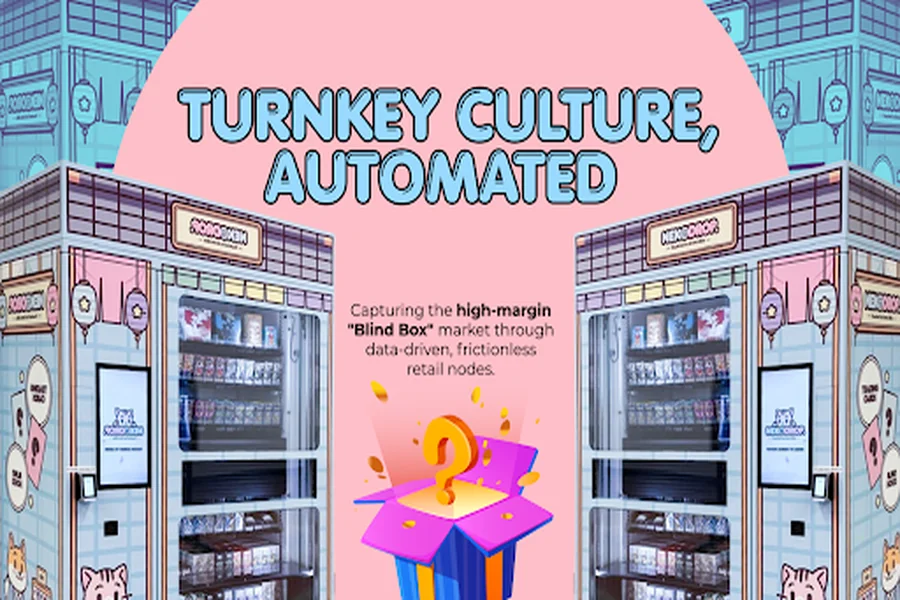
The retail landscape of 2026 has been permanently reshaped by a demographic once considered a niche curiosity but now recognized as a multi-billion-dollar economic powerhouse: the “Kidult.” Gone are the days when toys were strictly the domain of the playground. Today, adults now make up over a quarter of all toy sales globally, outspending traditional demographics like toddlers to become the industry’s most critical customers. For shopping mall developers and retail investors, this shift from children’s playthings to high-end collectibles represents one of the most lucrative opportunities of the decade. As disposable income flows toward nostalgia and designer toys, NekoDrop has emerged as the definitive platform for capturing this market at the intersection of convenience and culture. Deploying a NekoDrop machine allows retail venues to tap into a high-spending audience that views collecting not just as a hobby, but as a form of emotional luxury and investment.
The Rise of the Kidult Economy
The “Kidult” phenomenon—adults who purchase toys, games, and collectibles for themselves—is no longer a subculture. In 2026, the global market for kidulting toys is projected to reach approximately $43.4 billion, growing at a compound annual rate of over 12%. This growth is driven by a unique confluence of factors: rising disposable incomes among Gen Z and Millennials, a profound demand for stress relief, and the pervasive power of nostalgia.
For the modern adult, a collectible is rarely a “plaything” in the traditional sense. It is a piece of curated art, a stylish home decor item, or a physical manifestation of a beloved media franchise. Brands that once targeted six-year-olds have completely rewritten their playbooks, launching premium lines that emphasize craftsmanship, rarity, and aesthetic appeal. In a world of increasing digital saturation, these physical objects provide a tactile, therapeutic “flow state” that high-earning professionals are willing to pay a premium to achieve.
The Psychology of “Blind Box” Culture
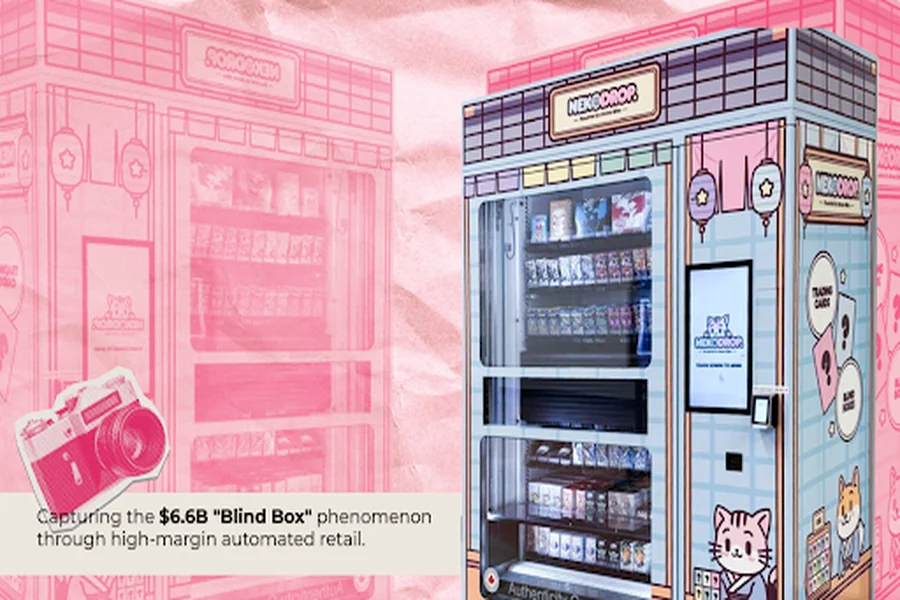
Central to the 2026 kidult explosion is the “Blind Box” or “Gacha” culture. The global market for mystery-box collectibles is anticipated to be worth over $6.6 billion this year alone. The appeal is rooted in the “thrill of the hunt.” Unlike a standard retail purchase where the outcome is certain, the blind box offers a micro-experience of randomness and excitement.
Statistically, nearly 67% of blind box purchases are influenced by the rush of the surprise rather than functional utility. This “randomness-based excitement” triggers repeat purchase behavior, with approximately 33% of buyers purchasing four or more units per series to complete their collection. For retail operators, this creates an addictive, fast-cycling revenue stream that thrives on impulse buys. It transforms a simple transaction into a social event, often shared via unboxing videos on platforms like TikTok and Instagram, further fueling the viral demand for specific, limited-run series.
Turnkey Retail: The NekoDrop Advantage
Traditional retail models often struggle to keep up with the rapid turnover and niche demands of the collectible market. Maintaining a physical storefront requires significant overhead, staffing, and inventory management. This is where NekoDrop provides a decisive edge for investors and mall developers. By condensing the high-margin world of Japanese anime figures, Kawaii merchandise, and premium Trading Card Games (TCG) into a striking, automated format, it offers the highest revenue per square foot in the automated retail sector.
Unlike standard vending machines that offer “filler” SKUs, these units are curated with recognizable, high-demand brands like Pokémon and licensed Japanese imports. The machines function as micro-retail fixtures rather than anonymous boxes. With high-resolution touch displays, vivid product imagery, and integrated cashless payments, they provide a premium user experience that matches the “sophisticated” preferences of the adult collector. For a mall developer, this means activating “dead space”—corners, hallways, or transitional areas—and turning them into high-traffic cultural nodes.
Data-Driven Collecting: AI and Predictive Stocking
One of the most significant advancements in 2026 retail is the integration of AI-driven oversight. Every NekoDrop unit functions as a live data node. Integrated AI forecasts exactly what to stock based on historical performance at a specific site, current pop-culture trends, and even seasonal patterns.
For an investor, this eliminates the guesswork of the toy market. The system identifies which price points convert at a specific location—whether it’s a $15 blind box or a $200 premium figure—and recommends the ideal product mix to maximize margins. Remote monitoring and real-time dashboards allow operators to track P&L and inventory levels from a smartphone, creating a turnkey business model that fits the busy schedule of a modern entrepreneur. This data-informed strategy reduces overstocking and ensures that the most sought-after limited editions are always available to the “whale” collectors who drive the bulk of the revenue.
High CSAT and Collector Loyalty
In the adult collectible space, Customer Satisfaction (CSAT) is tied to authenticity and exclusivity. NekoDrop partners with leading Japanese distributors to ensure that every item vended is an official, premium product. This authenticity is vital for building long-term loyalty with a demographic that is highly sensitive to “bootleg” or low-quality merchandise.
The automated nature of the machines also appeals to the 2026 consumer’s desire for friction-less retail. There is no need to navigate a crowded store or wait for assistance; the collector can complete their purchase in seconds. This convenience, combined with the “addictive” nature of blind boxes, results in a high repeat-purchase rate. Regular visitors to a shopping center will often stop by the machine as a “ritual” part of their visit, checking for new series drops or trying to find a “secret” figure to complete their set.
Retail Placement and Tactical Advantage
For shopping mall developers, these units offer more than just rental income. They act as “vibrancy anchors.” The striking, modern design of the machines attracts viral attention and social sharing, drawing younger, tech-savvy shoppers to specific zones of the mall.
Tactical placement is key. By analyzing traffic patterns and demographic insights, these units are often placed near cinemas, food courts, or gaming centers where the target audience naturally congregates. In 2026, mall success is defined by “experience-per-visit,” and a curated, mystery-based purchase provides exactly the type of memorable interaction that keeps physical retail relevant in an e-commerce world.
Nostalgia as a Strategic Asset
The emotional driver behind the collectible market is a powerful strategic asset. For many adults, these purchases are a way to reclaim a piece of their childhood or express their individuality in a structured corporate world. It is a form of “self-expression” that crosses generational lines, from Gen Z fans of current anime to Gen X collectors of vintage-inspired TCGs.
By providing a platform for these emotional connections, retail spaces can foster a deeper sense of community. The presence of high-end collectibles signals to shoppers that a venue is in tune with current cultural trends. It turns a functional shopping trip into a discovery mission. For the investor, this means tapping into a market that is remarkably resilient to economic fluctuations—collectors often prioritize their hobbies and “therapeutic” purchases even when tightening budgets in other areas.
Conclusion: Owning the Future of “Play”
As we navigate the remainder of 2026, the divide between “toys” and “collectibles” will continue to blur. The Kidult economy is not a passing trend; it is the new standard for the toy industry. For those looking to capitalize on this shift, the key lies in understanding the blend of psychology, technology, and convenience that the modern collector demands.
NekoDrop represents the evolution of retail for this new era. It takes the proven thrill of Japanese gacha culture and scales it using American engineering and AI-driven data. For mall developers and investors, it offers a low-overhead, high-margin entry point into a multi-billion dollar market. By focusing on premium brands, “No-Bot” human-led support for operators, and an addictive user experience, it doesn’t just sell toys—it sells culture. In the year of the Kidult, the winners in the retail space will be those who recognize that “play” is no longer just for kids, and that the most valuable customers are the ones seeking to recapture the magic of the hunt.