
Signs Your Garage Door Needs a Tune-Up
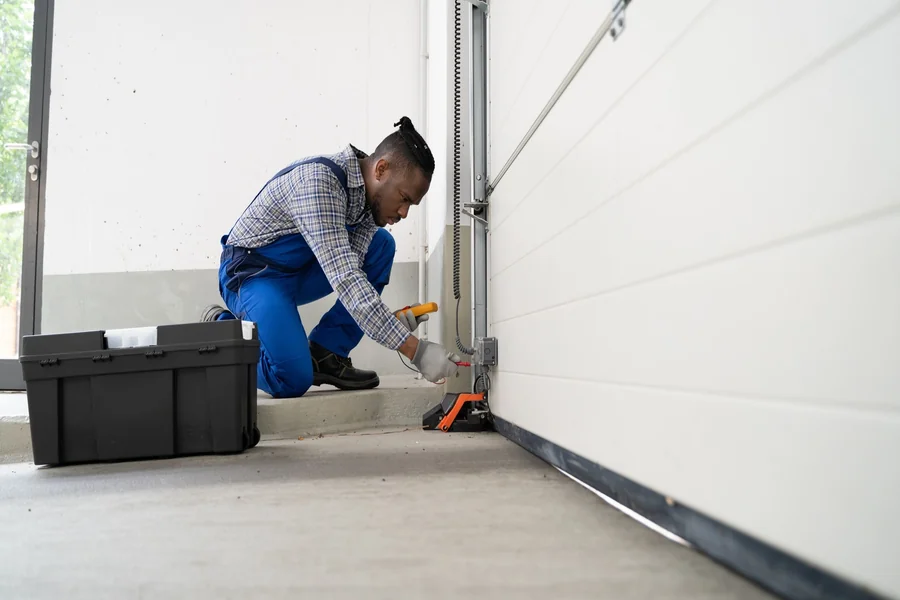
A garage door rarely stops working without warning, yet early signs are easy to overlook during daily use. Small changes in sound, movement, or response can point to hidden issues that develop over time. Ignoring these signs may lead to larger repairs and safety concerns. This article explains the common indicators that suggest a garage door needs a tune-up before problems become serious.
Many homeowners notice these early changes but delay action until the system becomes unreliable. In such situations, concerns related to garage doors spring repair can become more likely. This guide outlines clear warning signs, simple observations, and practical insights that help identify when a garage door requires attention.
Unusual Noises During Operation
A garage door should operate with a steady and controlled sound during opening and closing. Loud grinding, squeaking, or rattling noises usually indicate worn components or a lack of lubrication. These sounds usually come from rollers, hinges, or tracks that need adjustment or maintenance.
Changes in sound patterns should not be ignored because they signal early mechanical stress. Addressing these noises early helps prevent additional wear on connected parts. A proper tune-up restores smooth movement and reduces strain on the system, which improves long-term performance and reliability.
Slow or Uneven Door Movement
A garage door that moves more slowly than usual or appears uneven during operation requires inspection. This issue may result from tension imbalance, worn rollers, or misaligned tracks. Uneven movement places extra pressure on certain parts, which can lead to faster deterioration.
When the door hesitates or shifts slightly while opening, it reflects an underlying mechanical imbalance. Early adjustment helps restore even movement and prevents additional stress on the system. Keeping the door aligned supports consistent operation and reduces the chances of sudden malfunction.
Door Does Not Close Properly
A garage door should close fully and create a proper seal against the ground. Gaps or incomplete closure can allow dust, insects, and outside air to enter the space. This issue may arise from worn seals, track misalignment, or sensor problems.
Improper closure also affects energy efficiency and indoor comfort. A tune-up helps correct alignment and restore proper sealing. Ensuring a tight close protects the interior space and prevents unnecessary exposure to external elements.
Visible Wear on Springs and Cables
Springs and cables carry the weight of the garage door and maintain balance during operation. Visible wear, such as rust, fraying, or gaps in the spring coil, indicates the need for immediate attention. These components operate under high tension and should remain in good condition.
Damage in these parts can lead to sudden failure if left unaddressed. Issues related to garage doors spring repair should be handled promptly to maintain safe operation. Early inspection and repair help prevent further complications and ensure smooth lifting and lowering.
Increased Vibration and Shaking
A properly functioning garage door should move without noticeable vibration. Excessive shaking during operation suggests that parts are no longer aligned correctly. This may occur due to loose hardware, worn rollers, or track issues.
Vibration places additional strain on the system and can affect other components over time. Addressing this sign early helps restore stability and balance. A smooth operation ensures that all parts work together efficiently and reduces long-term wear.
Delayed Response from Opener
A garage door should respond quickly when the remote or wall switch is used. A delay in response may indicate issues with the opener or resistance within the door system. This can result from worn components or a lack of proper adjustment.
If the door hesitates before moving or stops midway, it signals the need for inspection. A tune-up helps improve response time and ensures consistent operation. Restoring quick and reliable movement improves convenience and system efficiency.
Lack of Routine Maintenance
A garage door that has not received regular maintenance is more likely to develop issues. Dust buildup, lack of lubrication, and unnoticed wear can affect performance over time. Routine care helps identify problems early and maintain system health.
Common maintenance needs include:
- Checking moving parts for wear and smooth motion.
- Tightening loose bolts and hardware components.
- Lubricating hinges, rollers, and tracks properly.
- Ensuring the door stays aligned during operation.
Consistent attention reduces the risk of unexpected breakdowns. A well-maintained door operates smoothly and lasts longer without frequent repairs.
How Experts Help Maintain Garage Door Performance
Experienced professionals bring a deeper understanding of how each component within a garage door system works together. They look beyond visible issues and focus on balance, tension, and alignment to ensure smooth operation. Their approach helps identify hidden problems that may not be obvious during regular use.
Professional support typically includes:
- Inspecting spring tension and overall door balance.
- Adjusting tracks and rollers for smoother movement.
- Identifying early signs of wear in key components.
- Guiding ongoing maintenance needs.
A garage door shows clear signs before serious problems develop, and recognizing these signs helps maintain safety and performance. Timely attention to garage doors spring repair concerns ensures that the system continues to function smoothly. Regular tune-ups support long-term reliability and help avoid unexpected disruptions in daily use.