
Valuable Rocks Found in Iowa and Where They Appear
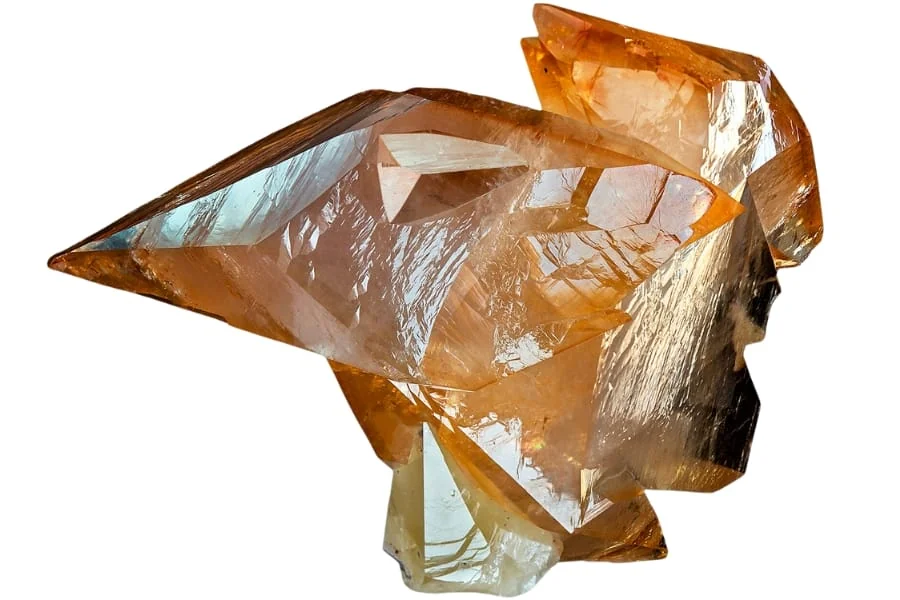
Interesting Rocks in Iowa Valuable rocks are also found in Iowa, and they attract collectors, geology lovers, and amateur rock hounds who have fun searching to find the fascinating natural treasure. Despite the fact that Iowa is commonly referred to as the land of farms and rolling terrain, the geologic history of this state is quite abundant as well. The area was once covered by the sea of the ancient times and today they can be obtained in the form of sedimentary rocks, fossils, and mineral deposits.
Due to this history, Iowa has an unexpected number of stones that are valued or unusual to the collector. These are geodes that are filled with crystals, colorful agates, fossilized corals and other minerals that were formed many millions of years ago. Although Iowa does not have any big gemstone mines like other states in the west, the state has good rockhounding opportunities.
A lot of the most interesting rocks are seen in riverbeds, gravel beds and limestone outcrops. This erosion by nature reveals these stones over time and this makes them available to the collectors and outdoor lovers.
Rockhounding in Iowa can be more fulfilling when one knows the kind of rocks that can be found in that state. Some of the precious stones that are usually available in the state will be discussed in this guide and why a collector would be interested in them.
Iowa Geodes: The State’s Most Famous Rock
The geode is one of the most famous geologic wonders in Iowa. The crystals grow in the hollow parts of these rocks forming a beautiful contrast between the rugged shell of the outside and the glittering interior.
Geodes are deposits of mineral rich water that occupies the space in rock layers and gradually crystalizes them over an extended period of time. As these crystallizing minerals form, they formations of crystals like quartz, calcite and sometimes amethyst may be formed in the empty space.
The geodes are particularly well known in the southeastern part of Iowa. One of the most remarkable specimens of the United States has been found there in the Keokuk area of the Mississippi River.
Geodes are found commonly in the bed of creeks and gravel deposits, where many collectors flock this area. Upon cracking these stones might be of clear quartz crystals or other mineral formations.
The fact that they are unique geodes makes them one of the most exciting discoveries to the rockhounds visiting Iowa.
Agates: Colorful Stones from Ancient Deposits
Another rock type that can be valuable to a collector is agates which are occasionally obtained in Iowa. These are chalcedony stones and are characterized by colourful striations and bands.
Agate is normally found within the volcanic rocks in which dense fluids made of minerals produce layers of silica that hardens with time into stone. Gradually erosion frees these stones and transfers them to rivers and glacial depositions.
In Iowa agates got there in large numbers through the ice age in glacial action. The huge glaciers transported rocks and minerals in the north and deposited them in the Midwest.
Due to this, agates would sometimes be located in gravel beds, riverbanks and fields where glacial deposits might still be.
The visitors are fond of agates due to their vivid colors and patterns when the stones are polished.
Fossilized Corals: Iowa’s Ancient Marine Life
Millions of years ago the Iowa area was comprised of shallow tropical waters. These early settings enabled the coral reefs and marine organisms to flourish.
When these organisms died their skeletons got covered by sediment and moved on becoming fossilized. Fossilized corals are some of the most interesting rocks that are found today in Iowa.
These fossils are usually in the form of patterned stones with small circular or honeycomb structures, which depict the ancient coral structures.
Certain fossil coral specimens have elaborate patterns which are further seen when the rock is polished.
Owing to their age and historical importance fossil corals are appealing to the collector as well as the scientist wishing to learn more about ancient marine life.
They also bring out a very interesting fact that Iowa was once under a very ancient ocean.
Jasper: Durable and Attractive Rock
Jasper is a hard type of chalcedony which can be quite common in the form of red, brown or yellow. It is an opaque granite that has interesting patterns formed by mineral impurities.
Copies of jasper in Iowa are not as well known as those in the western states; but in river gravels and glacial beds collectors occasionally discover pieces of jasper.
The stone is durable and therefore it can be subjected to extended weather conditions without splitting apart. Due to this jasper pieces are easily carried far away over natural processes.
Crystallized jasper can also have beautiful designs and color, so they can be used as jewelry and ornaments.
Jasper is a pleasant surprise to the rockhound exploring the rivers and gravel beds in Iowa.
Limestone and Fossils
Limestone can be considered as one of the most frequent rocks in Iowa due to the fact that the state has developed as a result of the marine sediments of ancient period. The rock is a sedimentary rock which is formed due to accumulation of calcium carbonate in form of shells and skeletal remains of marine life.
Limestone, as such, might not seem very valuable, but in many cases, it can contain fossils, which are of great interest to the collector.
These remains can have brachiopods, crinoids, trilobites, or any other sea creature that lived up hundreds of millions of years ago.
There are fossil patterns of some pieces of limestone that provide information on the past ecosystems.
These fossilized remains are commonly sought after in limestone outcrops or by the riverbanks.
The existence of fossils also gives these rocks scientific and historic significance as well.
Where Rock Collectors Search in Iowa
The rockhounding in Iowa is usually carried out in places where erosion has exposed concealed stones. The riverbanks, gravel pits and creek beds are popular places where people go to find good rocks.
There are also glacial deposits scattered around the state which contains stones that were brought there centuries ago during the Ice Age. Such deposits may contain agates, jasper and other rare rocks.
The southeastern part of the Iowa state is still a favorite location of the rock collector due to the renowned geode beds located near Keokuk.
In the process of seeking rocks, local laws have to be respected and one should seek permission before harvesting on private land.
The environmental ethics of rock collection can guarantee that such natural resources can still be used by future recreationalists.
Final Thought
The presence of Valuable Rocks Found in Iowa proves that even areas considered to be agricultural, as well as farmland, can be the place where interesting geological items can be discovered. The state has a lot of interesting discoveries that can be made by a collector and a geology enthusiast through crystal filled geodes, colorful agates, and ancient fossil corals.
These rocks are formed by the geological history of Iowa which is millions of years of sea water, glacial masses, and sediments. These stones can now be found in rivers, in gravel beds, and in rock beds throughout the state due to the erosion and natural exposure.
As an amateur geologist and a curious wanderer, Iowa offers one a chance to relate to the geological history to a larger scale and also to discover rare stones that echo the natural history of the area.
FAQs
What are the most valuable rocks found in Iowa?
Some of the most sought after rocks include geodes, agates, fossilized corals, and jasper.
Where are geodes commonly found in Iowa?
Geodes are especially common in southeastern Iowa near the Keokuk region along the Mississippi River.
Can you find agates in Iowa?
Yes. Agates sometimes appear in glacial deposits, gravel beds, and riverbanks throughout the state.
Why does Iowa have many fossils?
Millions of years ago the region was covered by shallow seas that supported marine life, which later became fossilized in sedimentary rocks.
Is rock collecting allowed in Iowa?
Rock collecting is often allowed in public areas and riverbanks, but permission may be required on private land.