
Rock Identification Washington State Guide for Beginners
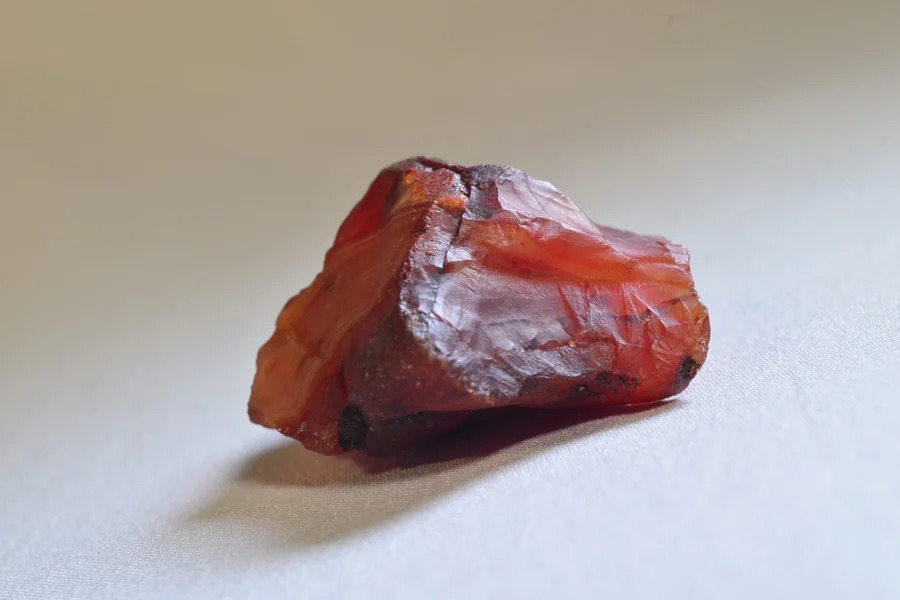
Rock Identification Washington State is a captivating subject among hikers, beachcombers and geology lovers who are interested in knowing the kinds of rocks they see in the field. The geological landscape of Washington State is incredibly diverse due to volcanoes, glaciers, mountains and coastal backgrounds. Due to this diversity, within the state, a great variety of rocks and minerals can be observed on beaches, on riverbeds, forest, and slopes of mountains.
Volcanic basalt created by the flows of ancient lava to colorful agates which were moved by glaciers, Washington can be said to have numerous opportunities of rock identification. Collectors seek rare stones found either on the Pacific coast or in river valleys such that the erosion reveals the concealed minerals. Even ordinary hikers usually come across strange rocks and do not even suspect of how important they are geologically.
To know how to distinguish between the types of rock, it is necessary to observe such characteristics: color, texture, hardness, crystal form, and formation environment. Such indicators assist in identifying the kind of rock and the way in which it was formed in millions of years.
Some of the most common rocks in Washington State and features that can help identify them will be considered in this guide.
Volcanic Rocks Common in Washington
The common types of rocks found in the states of Washington are the volcanic rocks. This is attributed in large part to the Cascade range which is a mountain chain of volcanoes that incorporate one of the most popular mountains like the mount Rainier and the mount St. Helens.
One of the most common volcanic rocks is basalt in the area. It is created when the lava cools rapidly on the surface of the earth and forms dense dark rock of a fine grain texture. Basalt can be black or dark gray and it can include small gas bubbles created during volcanic eruption.
The other type of volcanic rocks in Cascade Mountains is andesite. It tends to be lighter than basalt and can have visible crystals in it within a fine grained matrix.
Obsidian is also a natural volcanic glass and it may also occur in Washington areas. It is a rock that is formed when the lava hardens extremely fast such that no crystals form. Obsidian has glassy texture as well as that which is black in color.
These rocks which are of volcanic origin give valuable information regarding the volcanic history of the area and the forces which influenced the development of the landscape.
Agates and Jasper Found in Riverbeds
One of the most thrilling stones which the collector will hope to find in Washington are agates and jasper. These are the colorful minerals and they are categorized into chalcedony family which is a microcrystalline form of quartz.
Agate bands can be of various colours and it can be explained by the layers of silica deposits which formed in the rock cavities during a long period of time. These bands are beautiful patterns which are shown by agates when they are polished.
Jasper is likened to agate, but tends to be opaque, not translucent. It can be of red, yellow, brown or green color which depends on the minerals that were used in its formation.
The glaciers deposited many agates and jasper stones in Washington during the ice age. Since the glaciers traversed the terrain, they transported rocks that were far and settled in river valleys and plains.
Today such stones can be found in gravel bars and the bottom of the rivers where they have been smooth with the water.
Granite and Other Intrusive Rocks
The other significant type of rock, which is also found in the mountainous parts of Washington, is the granite. Granite is formed in the deep underground when the magma cools gradually unlike the volcanic rocks, which are formed through the lava at the surface.
This gradual cooling of the rock enables large crystals to form in the rock. Granite tends to have grains of quartz, feldspar, and mica visible and cause it to appear speckled.
In the Cascade Mountains and the North Cascades, granite is common in locations where millions of years ago the ancient magma bodies cooled down.
Other intrusive rocks that might also occur in the area belong to diorite and gabbro. These rocks vary in mineral composition though they are characterized by large exposures of crystals.
To determine the intrusive rocks, the size and arrangement of the mineral grains is usually observed.
Glacial Deposits and Mixed Rocks
The effect of glaciers is one of the rare factors that affect the geology of Washington. The Ice Age period involved massive glaciation of large parts of the territory and carried huge quantities of rock over the terrain.
When the glaciers melted away they deposited mixed deposits in the form of glacial till. These deposits have stones of very many geological environments.
It is due to this glacial activity that rock collectors in Washington usually come across stones that did not necessarily occur in the region.
Glastical deposits may contain agates and quartz and basalt, as well as granite and numerous other types of rocks.
Erosion and weathering of rivers still leave these stones visible, so that collectors and hikers can still find them.
Knowledge about glacial deposits assists in the explanation of the high diversity of rock that is found in Washington in one place.
Tools and Tips for Identifying Rocks
The proper identification of rocks may involve close examination and even bare hands. Among the useful techniques are studying the texture and the size of the grain of the rock. Fine grained rocks are usually formed due to the rapid cooling process whereas the coarse grained rocks are formed due to the slow processes taking place underground.
The useful information can also be given in a hardness test. Glass scratching minerals are in general harder than non-scratches.
Another good hint is to look after crystals. There are rocks that have the visible rocks with crystals of minerals and others which are smooth or glassy.
Rock collectors often use magnifying lenses and field guides to learn more about the details on a stone.
The location of finding the rock can also be used to aid in identification as some rock types are more commonly found in a given habitat.
These observations together can be used by the collector to reduce the potential rock types.
Best Places to Search for Rocks in Washington
There are numerous fine rock-identification and rock-gathering places in Washington. Interesting rocks polished by the waves frequently appear at the Pacific Ocean coastal beaches.
Rivers and streams are also very good places to search as the running water reveals the rocks and flattens them.
The mountain paths are at times filled with volcano rocks and mineral demonstrations that were washed away by the neighboring formations.
The most interesting ones are gravel bars and glacial deposits which can have stones that were carried by other geological areas.
In collecting rocks there should be a consideration of the local guidelines and areas of conservation like national parks where it may not be possible to take the rocks.
Careful gathering is one way to conserve the natural environments so that the next generation of visitors could enjoy them.
Final Thought
The Rock Identification Washington State provides an interesting insight into the geological history of the area. The state has an exceptional diversity of stones, so there is volcanic basalt and obsidian that were created due to the eruption of volcanoes, as well as colorful agates that were transported by glaciers.
To learn the characteristics used to determine these rocks, it is important to note the characteristics like color, texture, crystal structure and formation environment. Even amateurs will learn to identify the peculiarities of various types of rocks with practice and patience.
The Washington landscapes offer unlimited possibilities to all outdoor enthusiasts and collectors alike, to find the stones that unveil the strong natural forces that shaped the region in millions of years.
FAQs
What are the most common rocks found in Washington State?
Common rocks include basalt, granite, andesite, agates, jasper, and quartz.
Why does Washington have many volcanic rocks?
The Cascade Range contains active and extinct volcanoes that produced lava flows and volcanic rock formations.
Can you find agates in Washington State?
Yes. Agates can often be found in riverbeds, beaches, and glacial deposits throughout the region.
What tools help with rock identification?
A magnifying lens, field guide, and hardness test tools are helpful for identifying rocks and minerals.
Is rock collecting allowed everywhere in Washington?
No. Some areas such as national parks restrict rock collecting, so it is important to check local regulations before collecting.