
How to Identify Authentic Ossetra Caviar
Caviar has long been synonymous with luxury, and among its varieties, Ossetra caviar is celebrated for its distinct flavor and firm, nutty texture. Harvested from the Ossetra sturgeon, native to the Caspian and Black Seas, authentic Ossetra caviar is a delicacy that commands high prices. However, the premium nature of this caviar has led to widespread counterfeiting, making it crucial for consumers to recognize the characteristics of genuine Ossetra caviar. Here’s a comprehensive guide to help you identify authentic Ossetra caviar and enjoy it with confidence.
1. Understand the Source
Authentic Ossetra caviar comes from the Acipenser gueldenstaedtii sturgeon, a species that produces medium-sized, firm eggs typically ranging from 2 to 3.5 millimeters in diameter. Knowing the origin is vital because genuine Ossetra caviar is predominantly harvested from the Caspian Sea region, particularly in countries like Russia and Iran, though sustainable aquaculture farms around the world now produce it as well. Always check the labeling to ensure it specifies the sturgeon species and source region; generic “sturgeon caviar” labels could indicate lower-quality or imitation products.
2. Examine the Color
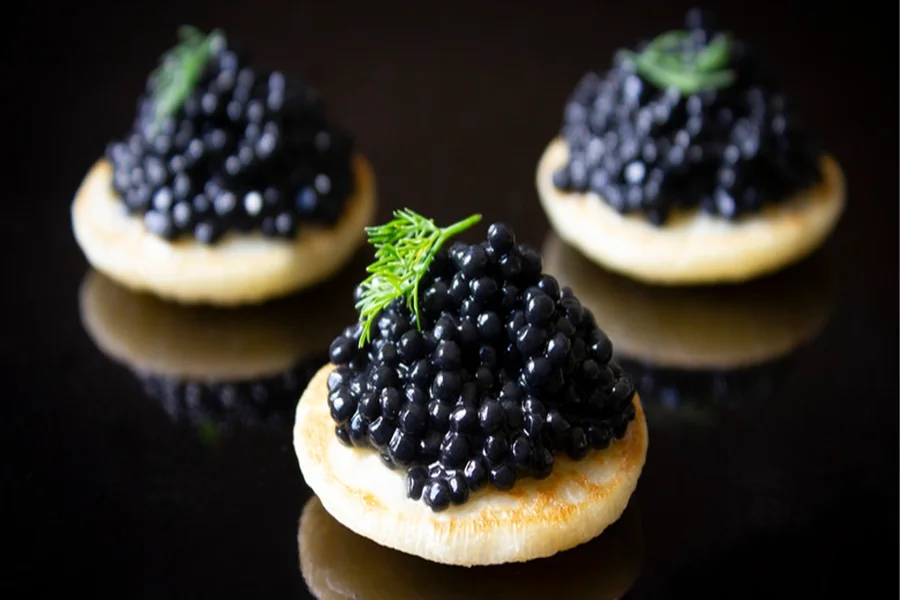
One of the defining features of Ossetra caviar is its color. Authentic Ossetra eggs vary from golden brown to dark gray, sometimes with subtle shades of amber or olive. The lighter, golden hues are often considered the most prized, known as “gold Ossetra,” and are rarer than darker eggs. Be wary of unusually black or overly uniform caviar, as these may indicate Beluga caviar imitation or dyed products. Natural Ossetra caviar exhibits subtle variations in color from egg to egg, reflecting its authenticity.
3. Assess the Size and Texture
Ossetra caviar eggs are medium-sized, smaller than Beluga but larger than Sevruga. Authentic eggs should feel firm yet delicate; they should not crush easily under gentle pressure. When served, each egg should maintain its shape and provide a slight pop when bitten, releasing a buttery, nutty flavor. Eggs that are mushy, sticky, or overly soft are likely old, improperly stored, or counterfeit. A quick tactile check can help ensure that the product meets the standards of quality Ossetra caviar.
4. Check the Flavor Profile
Flavor is one of the most telling indicators of authenticity. True Ossetra caviar has a rich, nutty taste with subtle hints of the ocean, without being overly salty or fishy. The flavor should linger pleasantly on the palate. Fake or low-quality caviar often lacks complexity, tasting excessively salty, metallic, or artificial. If possible, sample a small portion and savor the flavor; connoisseurs can often detect the difference between genuine Ossetra and imitation products through taste alone. For more detailed insights, you can explore celmamagazine.com.
5. Examine the Packaging
Authentic Ossetra caviar is sold in airtight tins or jars, usually ranging from 30 grams to 250 grams. Look for clear labeling that specifies the sturgeon species, origin, production method (wild-caught or farmed), and expiry date. Trusted brands often include certifications or quality seals from international caviar associations. Be cautious of products sold in flimsy containers, without proper seals, or with vague labeling, as these are red flags for counterfeit or low-quality caviar.
6. Consider Price and Source
While price alone cannot guarantee authenticity, extremely cheap Ossetra caviar is a major warning sign. Authentic Ossetra caviar is expensive due to the long maturation process of the sturgeon and the careful harvesting methods required. Compare prices from reputable sellers and ensure the caviar is purchased from trusted gourmet retailers or specialized distributors. Avoid street vendors or online sellers without verifiable credentials.
7. Verify Certifications
Many authentic Ossetra caviar products come with certifications such as CITES (Convention on International Trade in Endangered Species) documentation. This ensures that the caviar is legally sourced and traceable. Sustainable and regulated caviar producers also provide traceability numbers, guaranteeing that the product meets international standards for both quality and environmental responsibility.
Conclusion
Identifying authentic Ossetra caviar requires careful attention to detail, from its source and labeling to its color, texture, and flavor. By understanding these key characteristics, you can confidently select premium Ossetra caviar, ensuring a luxurious culinary experience. Always buy from reputable sources, verify certifications, and trust your senses—visual inspection, touch, and taste are your best tools in distinguishing genuine Ossetra from imitations. With this knowledge, enjoying the delicate, nutty flavor of Ossetra caviar becomes a true indulgence, free from doubts about authenticity.