
Orange Minerals and Their Unique Geological Features
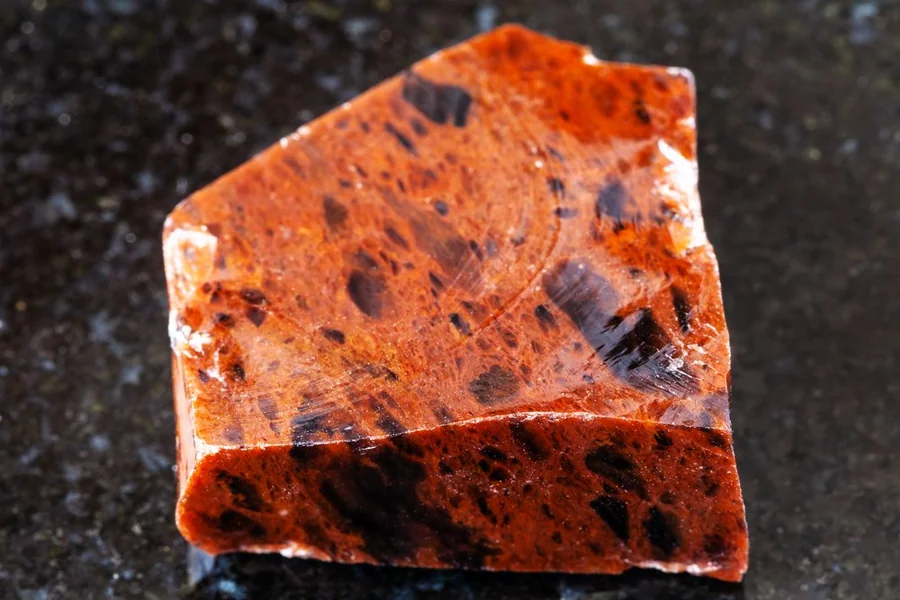
The color of Orange Minerals is also unique in the nature world due to their warm and bright colors. Many rocks and minerals look gray or brown but when it comes to orange minerals, one can see them instantly because they are bright with different tones, varying between soft peach and deep reddish orange. The formation of these colours is usually due to some impurities like iron, manganese or other chemical impurities that were found in the formation of the minerals.
The formation of minerals occurs in various geological processes such as volcanic eruptions, sedimentation, and metamorphic changes that occur deep at the bottom of the earth. In these processes, some elements can be present and determine the ultimate color of the mineral crystals. An example of this is the iron oxidation which usually creates orange or reddish colors on various rocks and minerals.
Orange minerals are usually considered attractive by collectors, geologists and enthusiasts of gemstones because of their scientific value as well as beauty. Others are precious gemstones worn as jewelry and others are significant in industrial purposes and geological studies.
The discovery of these minerals makes it possible to understand the variety of the crust of the Earth and the natural processes that form the crust. Some of the most common orange minerals and the geological forces that make them have their unique color will be analyzed in this guide.
Carnelian: A Popular Orange Gemstone
The world of gemstones has known a lot of orange minerals, but Carnelian is one of them. It is a member of the chalcedony family, which is one of the microcrystalline types of quartz. The carnelian color varies into light orange to deep reddish orange depending on the quantity of iron oxide in it.
This gemstone is created as the silica rich fluids hardened in the volcanic or sedimentary rocks cavities. With time microscopic quartz crystals grow forming the dense structure that is characteristic of chalcedony.
The orange coloration is caused by iron impurities which are confined in the crystal structure. These iron compounds have the power to increase the color when subjected to natural heat in the earth or the sun over extended time periods.
Carnelian is a material that was worn in jewels and ornaments thousands of years ago. This mineral was utilized as seals, beads and amulets, due to its durability and beauty, which was used by the ancient civilizations.
Carnelian polished stones are still used today as necklaces, bracelets and decorative carvings.
Orange Calcite: A Soft and Vibrant Mineral
The other eye catching mineral is the orange calcite which is of warm and glowing color. Calcite in itself is a mineral which consists of calcium carbonate and it has a variety of shades such as white, yellow and orange.
The orange color is the result of impurities of iron or other trace elements being used in crystal formation. These components react with light to come out with soft orange colors.
Orange calcite usually is in the sedimentary setting where mineral enriched water lays down layers of calcium carbonate with time. Crystals can be either translucent or opaque depending on how they have been formed.
This mineral is comparatively soft as compared to many other gemstones and it has a scale of about 3 on Mohs hardness scale. Due to this softness it is typically polished as an exhibition work instead of jewelry as a daily wear.
The warm glow and naturally formed crystal are commonly wanted by collectors of orange calcite.
Realgar: A Bright Orange Arsenic Mineral
Realgar is a bright orange mineral that is an arsenic sulfide. It is one of the most striking minerals in the nature due to its strong color.
Realgar is normally found in hydrothermal veins and in volcanic systems that involve the deposition of the arsenic compounds in rock cracks by hot mineral rich fluids.
The crystals usually take the form of bright orange or reddish orange featuring that may be almost transparent. But realgar is light-sensitive and may alter color gradually in the course of prolonged exposure to sunlight.
Historically the mineral has been used as a pigment in ancient paintings and dyes because it has a brilliant color. Realgar is primarily studied today scientifically as it has arsenic and needs to be handled with good care.
Although realgar is toxic, it is still a valuable mineral to geologist who are analyzing hydrothermal deposits of minerals.
Spessartine Garnet: Orange Crystal Beauty
Spessartine garnet belongs to the garnet mineral family and it is characterized by its warm orange colors. These crystals are usually bright orange in color or reddish orange varying with the amount of manganese found in the crystal.
Spesszartine garnet is a metamorphic and igneous mineral that is formed under high pressure and heat conditions that enable minerals to form complicated structures.
The crystals are usually in dodecahedrally shaped and smooth geometrically textured faces. Clarity and well-formed spessartine garnet can be cut into gemstones applied in high-quality jewelry.
These garnets that have been used as oranges are valued in that they are bright and long-lasting. They are of around 7 on the Mohs scale of hardness hence are applicable in rings, pendants and other jewelry items.
Spezzartine garnet specimens are frequently highly sought after by collectors due to their bright color and shape of their crystals.
Wulfenite: Thin Orange Crystal Plates
Another interesting orange mineral is Wulfenite which is characterized by thin tabular shaped crystal formations. The crystals can be seen as square or rectangular plates from bright orange to yellowish orange color.
The mineral is formed at oxidized regions of lead ore deposits whereby molybdenum reacts with lead in a certain chemical condition.
In other cases, wulfenite has been found to have crystals that are almost transparent and have a brilliant glassy sheen to them. Due to their weak structure they are normally gathered as mineral specimens than jewellery.
Arizona in the United States is also one of the most well known places to wulfenite whereby some of the largest and brightest crystals have been found.
Mineral collectors like wulfenite due to its crystal shapes and bright coloration.
Why Minerals Appear Orange
The yellow red color that is apparent in most minerals is frequently a result of chemical elements like iron or manganese. These factors affect the interaction of light with the crystal structure.
Iron oxidation in a mineral may result in yellow- to deep-orange or reddish-brown colors. It is part of the reasons why minerals are most likely to be orange.
In other instances the mere crystal structure may play a part in forming color by depending on the ability of the crystal to pass light.
Environmental factors at a formation are significant as well. One of these factors is temperature, which influences the ultimate appearance of the mineral. Pressure and chemical composition are also among the factors.
These reasons are why the orange minerals may be of numerous colors and patterns depending on their geological history.
Final Thought
Orange Minerals are also one of the most aesthetic natural formations in the earth crust. Examples of minerals with a large variety of colors and crystal structures include gemstones such as carnelian and spessartine garnet and mineral specimens, including realgar and wulfenite.
Their pleasant colors are usually as a result of small quantities of elements and chemical processes that take place deep underground as minerals form. These geological activities result in rocks which are scientifically valuable and also beautiful.
As a collector and a geology lover, the orange minerals provide an interesting view of how complicated the world might be. Every crystal narrates the history of the circumstances under which it was formed and minerals found in the environment.
The knowledge about such minerals contributes to a better understanding of the amazing diversity that is hidden in the rocks and mineral reserves of the Erd.
FAQs
What are orange minerals?
Orange minerals are natural minerals that display orange or reddish orange colors due to their chemical composition or trace elements.
What causes minerals to appear orange?
Orange coloration is often caused by iron oxidation or other trace elements that influence how light interacts with the crystal structure.
What are some common examples of orange minerals?
Examples include carnelian, orange calcite, realgar, spessartine garnet, and wulfenite.
Are orange minerals used in jewelry?
Yes. Some orange minerals such as carnelian and spessartine garnet are commonly used in jewelry because of their attractive color and durability.
Where can orange minerals be found?
Orange minerals occur in many geological environments including volcanic regions, hydrothermal veins, and sedimentary deposits.