
Where to Find Geodes in Southern California – Top Areas
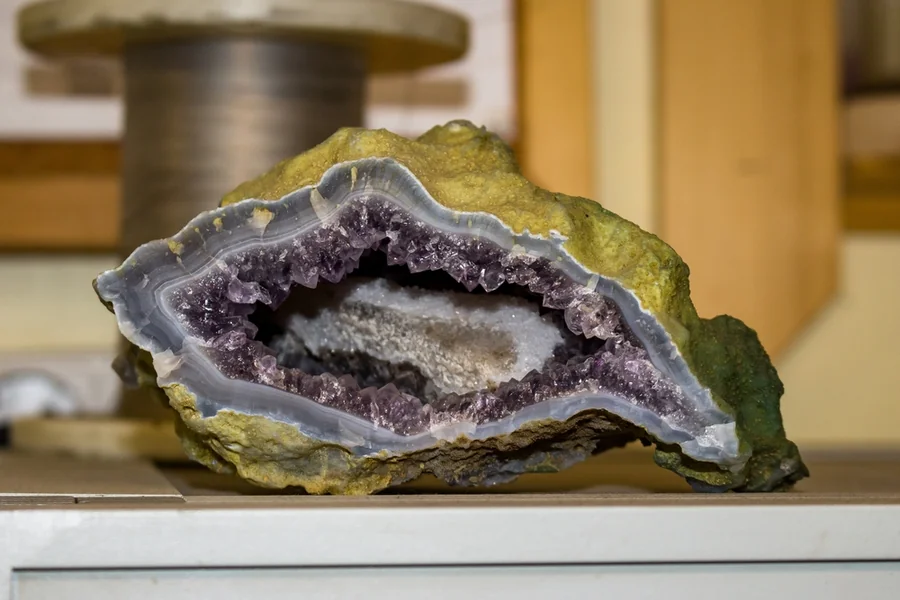
Geodes have been a source of interest to rock hunters and geology amateurs over the centuries. These commonplace appearances of the rocks may conceal crystal-laden interiors that are created over a huge geological span. Where to Find Geodes in Southern California is the question that may be asked by people who want to know more about rockhounding. Desert topography, volcanic rock structures, and mineral enriched soils of the region make it possible to have geodes that can be formed and sometimes discovered by keen collectors.
Geodes might appear at first to be ordinary rocks yet within them there could be beautiful crystal formations consisting of quartz, calcite or other minerals. In the course of time some of these are exposed through natural erosion and some can be found scattered over desert landscapes and on rocky hillsides by collectors.
Learning Where to Find Geodes in Southern California can include learning the geology of the area, learning what environments grow geodes and understanding the indicators that may lead to the discovery of a concealed crystal gem.
How Geodes Form in Nature
Geodes occur due to slow crystallization of minerals in the hollow spaces in rocks. These cavities are typically started by gas bubbles held within the volcanic lava or empty spaces in the layers of sedimentary rocks.
Once the water entering such cavities is mineral rich, then dissolved minerals crystallize in the inner walls. The layers of crystals build up one over the other with time filling the space up with sparkly mineral formations.
Most geodes contain quartz though other types of crystals can grow according to the geology around them like amethyst, calcite or chalcedony.
The case of a geode is typically composed of tougher rock which envelops the delicate crystals within. Due to their exterior appearance, which tends to be unattractive, it is sometimes hard to tell what geodes are until one opens one.
The geological requirements during the formation of geode are usually linked with volcanic or regions of the mineral rich groundwater.
Geological Conditions in Southern California
The geological history of Southern California is complicated due to eruptions, tectonic plate movement, and erosion of the deserts. These forces of nature have formed rock formations which in some cases have geodes.
In deserts, the volcanic rocks and layers of sediments can have tiny caves in which the minerals can crystallize with time. These mineral filled nodules can be exposed to the surface due to the erosion that over time has eroded away rock around them.
Geodes once formed are also preserved by dry climates. The area is also relatively dry and therefore, sensitive crystal formations within the geodes are preserved over an extended time.
The deserts, dry lakebeds, and rocky hillsides in Southern California give some of the best chances of collectors to find geodes in the natural set up.
The geological history of the area assists rockhounds to have an idea where to put their effort during searching.
Popular Areas for Finding Geodes
There are locations in Southern California that are reputed with rock collectors as well to produce geodes or similar crystal filled stones. Although it is never certain that success will be achieved, these regions are characterized by good geological conditions.
One of the most popular geode collection sites in the area is the Hauser Geode Beds located close to the California Arizona border. These desert beds have yielded a lot of geodes that are made up of quartz and chalcedony crystals.
The other popular place is the Wiley Wells area in the Riverside County. This area has been frequented long enough by rockhounds looking to find geodes, thundereggs, and other mineral specimens.
There are also geodes found in the Mojave Desert but occasionally. Mineral nodules are sometimes exposed by erosion in the rocky hillsides and volcanic rock deposits.
Other places that collectors search are desert washes and dry stream beds where water flowing naturally can transport rocks of the surrounding hills.
Despite the fact that these regions have geodes, it takes time and keen observation before one can get one.
How to Identify a Potential Geode
Determining the geodes before opening it is one of the greatest problems of rockhounding. As the external shell is similar to others, there are some hints that help collectors.
Geodes are typically round or oval shaped unlike other rocks. They are in the form of a ball that is slightly lump-shaped.
The outer surface can also be rough or bumpy, and it may be coated into a lighter color. This crust is formed by deposition of minerals around the initial cavity.
Another clue is weight. The geodes are commonly lighter than solid rock of the same size since they have an empty space or hollow cavities filled with crystals located inside them.
Certain collectors rub a geode they suspect against their ear. A small rattling sound can be heard now and then in case the small crystals have broken loose somewhere inside.
Although these hints are useful, the sure way of knowing a geode is to cut the stone very carefully or break it.
Tips for Rockhounding in Southern California
Geodes hunting is a fun outdoor activity and preparation is necessary when going to deserted areas.
Protective goggles, rock hammers, and chisels are a few of the tools which can be brought by collectors, so they can safely break open stones. Finds can also be carried in a tough backpack or bucket.
It is worth noting that since the temperatures in the desert can be very hot, one should carry a lot of water and use sun protection. As a rule, rockhounding excursions are best in the early morning or on a cooler day.
Maps and navigation tools also come in handy in areas that are remote in the desert. Most of the popular rockhounding sites are remote to towns or highways.
Land regulations should also be respected by the collectors. There are also places where personal collection is limited and there are places where one is not permitted to remove rocks within the areas which are within protection.
These guidelines are likely to make rockhounding safe and responsible.
Why Geodes Fascinate Collectors
The reason geodes are a particular favorite of rock collectors is, they are both mysterious and beautiful. The exterior is plain but the interior is a crystal that cannot be discovered until the stone is opened.
Each geode is unique. Others have twinkling quartz crystals and others have peculiar formations of the minerals or color shapes.
The thrill to crack open a geode and discover the crystal it has inside is one of the reasons why the hobby is so popular. And even an experienced collector still experiences a degree of anticipation whenever he opens a new specimen.
Other than being beautiful the geodes also narrate the geological history of the earth. Their crystal layers show the way in which the minerals were formed gradually, thousand or even millions of years.
To a great number of rockhounds, the act of geodes-seeking is as gratifying as the prize.
Final Thought
The question Where to Find Geodes in Southern California takes many of the collectors into the desert and volcanic beauty of the area. Starting with known locations such as the Hauser Geode Beds all the way to the far corners of the Mojave desert, the area has numerous places where those who love rocks can go out searching these crystal filled rocks.
Though geode hunting is a waiting game and involves some luck, once a stone is opened and one finds a glittering bunch of crystals inside the case that is truly worth remembering. Every geode is a symbol of millions of years of natural processes which changed simple mineral caves into beautiful geological miracles.
Southern California offers a distinct geological setting in which any person, who is interested in geology, outdoor adventure, and rock collecting, could have their curiosity and excitement aroused by the need to find any hidden crystals.
FAQs
Where can geodes be found in Southern California?
Geodes are commonly searched for in areas such as the Hauser Geode Beds, Wiley Wells region, and parts of the Mojave Desert.
What minerals are usually inside geodes?
Most geodes contain quartz crystals, but some may include calcite, chalcedony, or other mineral formations.
How can you tell if a rock might be a geode?
Geodes often have round shapes, rough outer surfaces, and may feel lighter than solid rocks of similar size.
Do you need special tools to open geodes?
Rock hammers, chisels, and sometimes diamond saws are commonly used to open geodes safely.
Is it legal to collect geodes in Southern California?
Some public lands allow limited rock collecting, but certain parks and protected areas prohibit removing rocks.
Why do geodes have crystals inside them?
Crystals form when mineral rich water enters hollow spaces in rocks and slowly deposits minerals along the inner walls over long periods.