
Brown Rock Types and How to Identify Them Easily
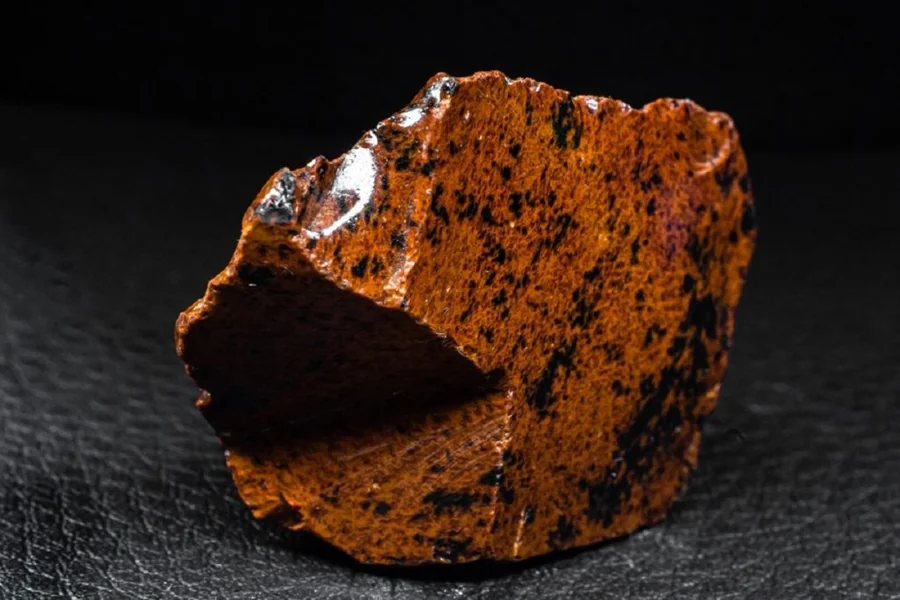
The most commonly occurring types of rocks in the natural world are Brown Rock Type, however, they do not usually get all the attention given to colorful minerals or gem stones. Although most individuals view the color of rocks as black or gray, brown rocks are very different and are found in numerous geological settings. They also have earthy tones which are usually caused by the minerals like iron, manganese and other elements that affect the color of the stone.
These rocks may belong to various geological processes such as volcanic processes, compression of sediments as well as transformation of minerals due to heat and pressure. Due to this diversity, there are numerous forms, surfaces, and forms of brown rocks. Others are smooth and water polished and some have layers, crystals or fossil remains.
Knowing about various brown stones makes hikers, collectors and geology lovers learn about the natural environment surrounding them. The characteristics of texture, hardness, grain size, and mineral compositions are identified as involving identifying these rocks.
In this manual we are going to consider some of these typical brown rocks and the geologic processes which form them.
Sandstone: A Classic Brown Sedimentary Rock
One of the most familiar brown sedimentary rocks that are present within the whole world is sandstone. It is created as sand grains are piled up and cemented together through long durations of time.
These grains are normally made of quartz, feldspar or other minerals that accumulate in the riverbeds, desert or coastal regions. The weight exerted by the layers above on pressure in the long run of time causes sand and other minerals such as silica or calcite to cement the grains together into solid rock.
The sandstone normally comes in either brown, tan, red, or yellow color depending on the type of minerals it contains. Another frequent cause of the reddish brown colour of many sandstone structures is iron oxide.
Sandstone has a coarse texture since the individual grains of sand can be seen. Sandstone is comparatively easy to recognize due to this roughness.
Desert cliffs and the walls of canyons are just a few of the well known landscapes which are mainly sandstone formations created millions of years ago.
Jasper: A Beautiful Brown Stone
Jasper is a type of chalcedony a kind of microcrystalline quartz. Jasper may come in a variety of colors, but one in particular, which is very common, is brown jasper.
This rock will usually have swirling lines, bands or spots that have been formed by the mineral impurities that have been captured in the course of its formation. Iron minerals are often present in jasper to render the brown or reddish coloring.
Jasper is a mineral that forms when silica-containing fluids are solidified in the rock cracks or crannies. When the mineral solution is hardened, various impurities result in characteristic designs on the stone.
Due to its hardness and good look, jasper has been used both in ornaments and jewelry since thousands of years. Jasper was commonly used to make tools, ornaments and ceremonial objects in ancient cultures.
Collected polished brown jasper stones are very common among the collectors due to their smooth texture and natural designs.
Basalt: Dark Brown Volcanic Rock
Basalt is a volcanic rock, which is formed when lava solidifies very fast on the surface of the earth. In spite of being black or dark gray in most cases, basalt may be brown in relation to weathering and composition of minerals.
This is a rock that is formed out of magma that contains iron and magnesium. The molten material when it erupts and cools down quickly forms solid rock that is dense and has fine grains.
Basalt is another rock that is very common on earth and much of ocean floor is composed of this type of rock. Massive basalt flows that were formed as a result of ancient eruptions also exist in large volcanic regions.
In others basalt develops spectacular geometric forms referred to as columnar joints. These structures are columns in the form of polygons and are tall formed when the lava solidifies and contracts.
Although basalt looks very simple, it is a significant aspect of volcanic built environment.
Chert: Smooth and Hard Brown Rock
Another type of common brown rock is called chert and is characterized by smooth surface and great hardness. It is composed of microcrystalline quartz and it typically grows in sedimentary settings.
Chert can vary in terms of color between light brown and deep reddish brown based on the minerals that were used during the formation process.
Chert is often deposited in limestone in the form of nodules. Silica takes the place of some of the original rock over the course of time, forming dense rock which looks waxy or glassy.
The peculiarity of chert breaking is one of its characteristics. When hit it leaves behind sharp curved fractures referred to as conchoidal fractures. This property enabled the ancient people to cut chert into tools and arrowheads.
Chert was significant in the prehistoric technology of man due to its hardness and cutting edges.
Petrified Wood: Fossilized Brown Stone
Petrified wood is the most interesting among all the brown rocks, as it is formed of trees of the ancient times. Millions of years ago the fallen trees were covered by sediment upon which mineral rich water gradually substituted the organic form by silica.
In this process the original wooden structure is transformed into stone without losing much as the tree growth and grain pattern.
Petrified wood has a color that is dependent on the minerals used. Iron tends to give reddish brown colors with the other minerals giving yellow, black or even purple.
In spite of the fact that it is stone, petrified wood still looks like the initial tree structure. This renders it one of the most aesthetic fossils in nature.
To emphasize the complex designs produced in the fossilization process, petrified wood is frequently polished by collectors.
Ironstone: Dense Brown Mineral Rock
Ironstone is a sedimentary rock that contains iron mineral making them appear dark brown or rusty. It is formed by piling up of iron deposits in layers and later getting solidified into a rock.
These deposits are usually formed in the ancient sea where the iron compounds are laid down and accumulated.
Ironstone is normally heavy and thick unlike most other rocks. It can be deep brown, reddish or orange in color owing to oxidation of iron minerals.
Others of the ironstone formations are also having fossil remains or stratified structures that depict facts about the environment of the past.
Due to its mineral composition ironstone has been historically taken as a source of iron ore in some parts.
Final Thought
It might seem that Brown Rock Types are not a very complicated subject but it is in fact an amazing diversity of geological structures. Out of the sedimentary stones such as sandstone and chert and the volcanic rocks such as basalt, each of them tells a story of the processes which shaped our world.
These rocks are formed in various settings such as deserts, oceans, volcanic areas and fossil beds. They are given their earthy colors by iron minerals or other earthly elements found in the process of formation.
To collectors, hikers and geology lovers, studying to find out brown rocks can make outdoor field work more meaningful. The most common rocks on the paths or the banks of rivers can have evidence concerning the ancient past of the Earth.
The knowledge of these rocks makes us realize the fact that each stone has its geological history, started millions of years ago.
FAQs
What causes rocks to appear brown in color?
Brown coloration in rocks is often caused by iron minerals or oxidation processes that produce earthy tones.
What are some common brown rock types?
Common examples include sandstone, jasper, basalt, chert, petrified wood, and ironstone.
How can you identify brown rocks in nature?
Observing grain size, texture, hardness, and mineral composition can help identify different brown rocks.
Is jasper considered a brown rock?
Yes. Jasper can appear in many colors including brown due to mineral impurities within the stone.
Are brown rocks valuable for collectors?
Some brown rocks such as petrified wood or patterned jasper can be highly valued by collectors because of their unique appearance.