
Pink Rock Identification – Guide to Common Pink Stones
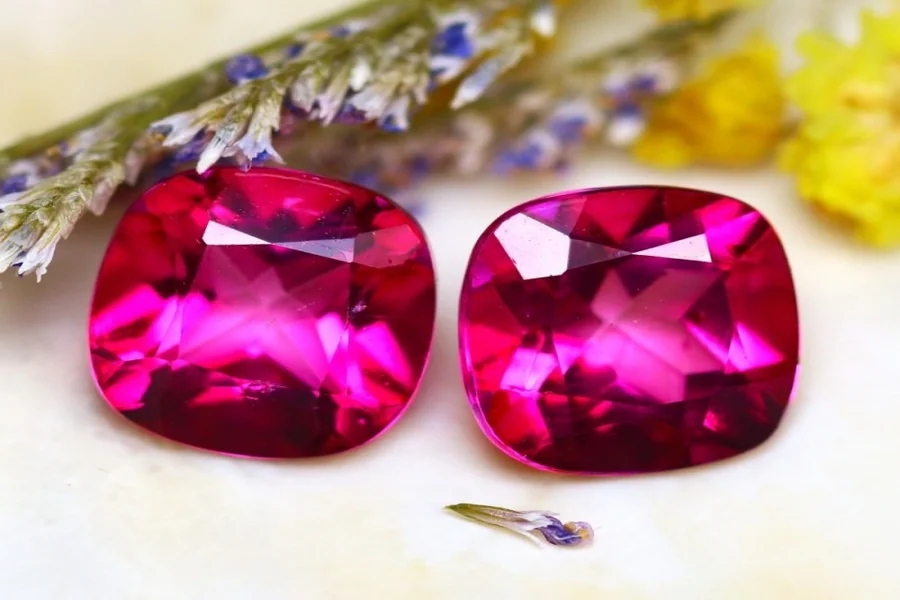
Pink stones are most of the times catching the eye due to their natural beauty and soft color. These stones are unique in darker rocks surrounding them whether in mountains, beaches, or in mineral collections. Pink Rock Identification teaches individuals to be able to distinguish various pink minerals and know their formation processes that occurred in the depths of the Earth.
Pink rocks can be found in most geological settings. Their color is normally due to the inclusion of trace minerals like manganese, iron or titanium which are incorporated into the crystal structure during formation. The pink can sometimes be found in transparent gem stones such as rose quartz and in other instances it can be found in opaque stones such as rhodonite or pink granite.
The colors of many rocks are similar and therefore one has to observe details such as the texture, hardness, mineral structure and crystal structure in order to be able to identify them. The pink stones are also useful gemstones which are utilized in jewelry and some are ordinary minerals that are found in the rock formations.
Knowing the process involved in finding pink rocks can make this process of collecting rocks interesting and make people more appreciative of the natural processes that determine minerals that occur under the surface of the earth.
Why Some Rocks Are Pink
The pink color in the rock is normally due to the presence of the chemical elements that have been caught in the mineral structure. These components do react with light and make the stone have its unique color.
One of the most widespread sources of pink coloration is manganese. Manganese compounds provide the pink tones to the minerals like rhodonite that also include rhodochrosite. When these minerals are crystallized in the ground, the manganese alters the manner in which the stone reflects light.
In other rocks, iron may also give pink colors. In granite, as an example, the pink feldspar crystals usually contribute to the color to the rock. That is the reason why a lot of building stones and countertops are pink or reddish.
Crystal structure is another factor. There are also those minerals which shape themselves so that light is scattered thus producing soft pink qualities. A very familiar example is rose quartz in which the pink color is created by minute inclusions of the mineral.
Due to all these varied chemical and structural factors, it is possible that the pink rocks may have a large range of appearances and textures.
Common Pink Rocks and Minerals
There are a number of famous stones which belong to the group of pink rocks. They are different in some ways that are used to identify them.
One of the most known pink minerals is rose quartz. It is normally translucent and light pink in color. Rose quartz is not in the shape of crystals as clear quartz crystals usually are, but it is frequently in large hunks or masses.
Another pink stone that is considered to be rhodonite may have black veins flowing through it. These dark patterns are as a result of manganese oxide and they bring out an outstanding contrast to the pink background.
Rhodochrosite is bright pink or reddish in color and occasionally bears banded patterns. This is a mineral that is formed in the sedimentary or hydrothermal environment and is commonly used by the collectors.
Pink granite is a typical construction material which comprises of pink feldspar crystals blended with quartz and mica. It is stiffer than most other rocks and not homogenous but speckled.
Another type of mineral which may have a soft pink or peach color is the pink calcite. It is not very hard and tends to occur in crystal clusters unlike quartz.
These are stones that demonstrate that there are so many various minerals that may have a pink shade yet they are formed by various geological processes.
How to Identify Pink Rocks in the Field
To identify pink rocks in the wild, one has to examine a number of physical features.
The initial thing that must be analyzed is texture. The crystal surface of some rocks is smooth and some others look grainy or strata. Granite normally demonstrates the visible grains of various minerals whereas quartz looks smoother.
Another significant indicator is hardness. Such minerals as quartz are extremely hard and hard to scratch. Calcite however is far much softer and easily scratched.
It can also be assisted with color consistency. There are those pink stones which are homogeneous in color and others which have patterns or bands. Rhodonite tends to have dark veins and rhodochrosite might tend to have laid stripes.
The other helpful indication is crystal shape. In some cases, quartz crystals take hexagonal shapes whereas calcite crystals are rhombohedral.
With a combination of these observations, it becomes simpler to reduce the number of minerals that a pink rock could be.
Where Pink Rocks Are Commonly Found
Pink rocks are found in numerous geological settings in the world. Their location is usually dependent on the kind of mineral.
The deposits of rose quartz are usually found in Brazil, Madagascar, India and some regions of the United States. The crystals are commonly associated with pegmatite deposits where the mineral races gradually in magma saturated areas.
Rhodonite and rhodochrosite are normally found in manganese rich deposits. Countries like Argentina, Peru, Russia and Australia are the ones that possess these minerals.
In numerous mountain ranges and in continental crust, pink granite structures are present. Building materials, monuments Boulder measurements Construction material In large granite quarries, building materials are created, including those used in construction.
There are also cases of riverbeds and beaches containing some pink stones which have been carried there by erosion. Water eventually flattens the rocks and causes them to be collected easily.
These varying environments demonstrate the varying pink mineral structures.
Uses of Pink Stones
Pink rocks are useful and have an ornamental value.
A variety of pink jewellery is made. Cabochons and beads Rose quartz, rhodochrosite and rhodonite are often made into necklaces and bracelets. Their light shade gives them popularity on the gemstone designs.
Architects are very active in terms of the materials such as pink granite and its applications encompass building material, monuments, and countertops. It is highly favored as a decorative stone; it is durable and has a distinctive color.
Pink minerals are also prized by the collectors because they are pretty and rare. Others have impressive crystal structures or odd shapes and shapes that render them valuable exhibition items.
Moreover, there are a few pink stones that have a symbolic meaning. In particular, the cultural traditions tend to associate rose quartz with such concepts as harmony and emotional balance.
Such applications demonstrate the great popularity of pink stones in practical and artistic works.
Tips for Beginner Rock Collectors
Individuals who want to begin rock collection usually begin with easily known rocks like pink minerals.
It is possible to carry a small field guide or mineral identification app that can be used to compare a sample with known minerals. The crystal patterns and textures can also be examined using a magnifying lens.
A hardness testing kit is another tool that comes in handy. Basic scratch tests may assist in finding out whether a stone is soft such as calcite or difficult like quartz.
In order to gather rocks in the field, one should abide by the law in the area and should not enter the reserves where they may not be permitted to collect.
It is also possible to label and sort out the collected stones, to make it easier to identify them in the future. The fact that a rock was found in a particular place and in a certain environment can also be an important clue to the formation of the stone.
These easy measures enable the learners to develop their knowledge and confidence in recognizing rocks.
Final Thought
One of the most beautiful minerals that exist in nature is pink stone. Their soft colors and the diversified patterns render them conspicuous both in the geological sceneries and mineral collections. Knowing Pink Rock Identification enables hobbyists and amateurs to be able to distinguish between rose quartz, rhodonite, rhodochrosite, and pink granite.
All these stones are the result of special geological phenomena which occur in the depths of the earth. With the aid of such characteristics as hardness, crystal structure and mineral composition, one can identify many pink rocks surprisingly well.
The knowledge about pink minerals also shows the natural world diversity which is amazing. These stones, as decorative gemstones or building materials that are applied in the construction industry, illustrate the impact of geology on science and life in general. It does not matter whether one is a simple collector or a serious mineral lover, studying pink rocks is a gift to better understand the beauty behind the scenes of the earth.
FAQs
What causes rocks to appear pink?
Pink coloration usually comes from trace elements such as manganese or iron within the mineral structure.
What is the most common pink mineral?
Rose quartz is one of the most common and widely recognized pink minerals.
Is pink granite a gemstone?
No. Pink granite is an igneous rock used mainly for construction and decorative stone.
How can you identify rose quartz?
Rose quartz typically appears translucent with a soft pink color and does not usually form well defined crystals.
Are pink rocks valuable?
Some pink minerals such as rhodochrosite can be valuable, especially when they form high quality specimens.
Where can pink rocks be found?
Pink rocks occur in many places including mineral deposits, mountain regions, riverbeds, and quarry sites around the world.